
Lima
The Department of Lima connects the Pacific coast, fertile river valleys, and the High Andes. Beyond the capital metropolis, Huacho, Barranca, Huaral, Cañete, and the mountain provinces shape a diverse region.
Lima at a Glance
This page focuses on the region of the Regional Government of Lima. It comprises nine provinces outside the Province of Lima, which contains the Peruvian capital.
Lima in Pictures
Coast, archaeology, fog landscapes, and the High Andes showcase the great contrasts of the Department.
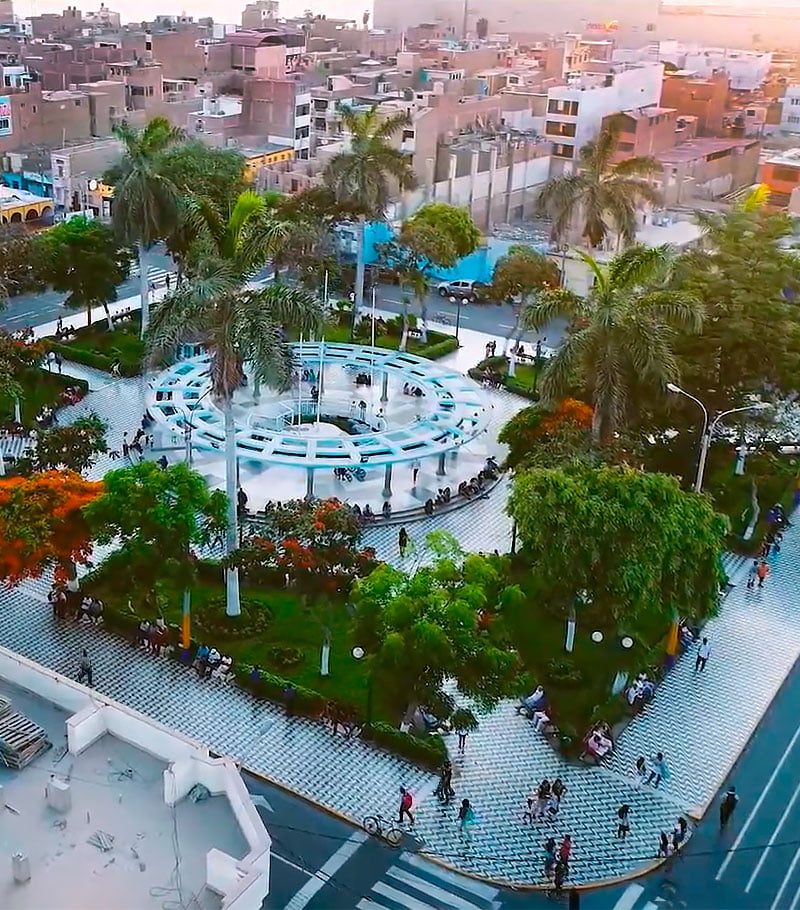

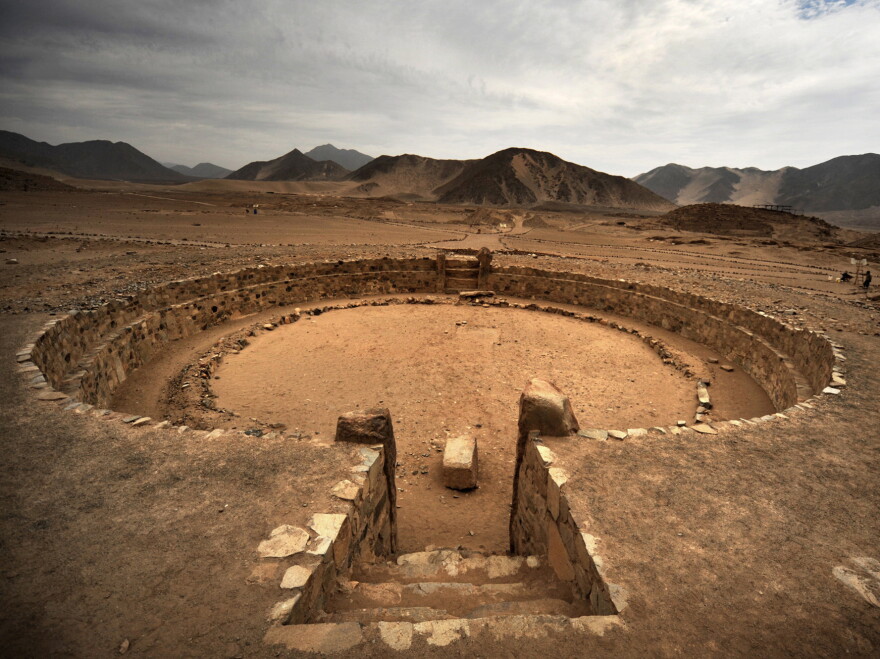

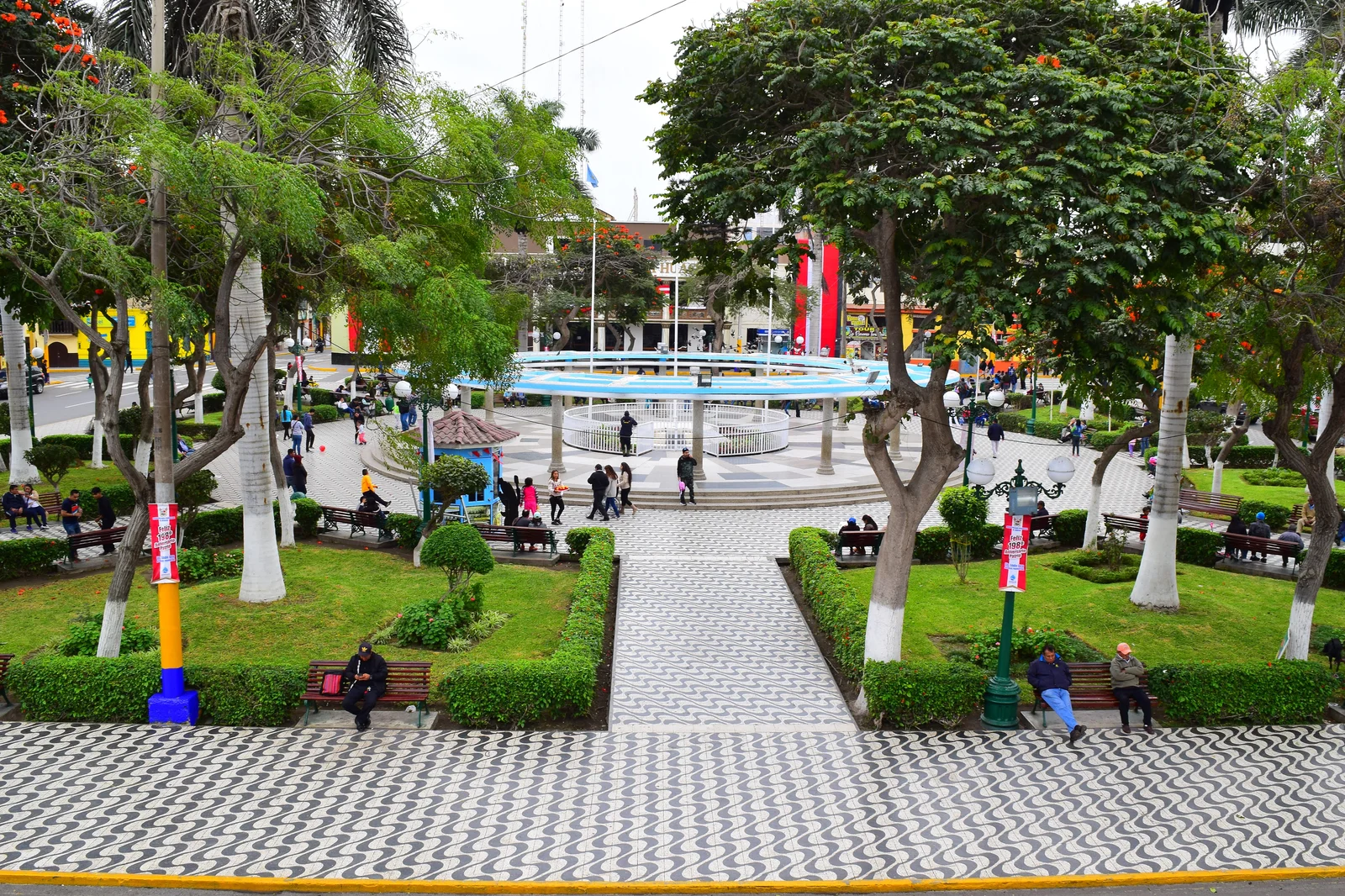
Lima is More Than Just the Capital
The region outside the metropolis ranges from the dry Pacific coast over irrigated valleys to the high Andes. Archaeological centers, nature reserves, and traditional mountain towns define its unique profile.
History and Identity
The valleys of the department are among the most historically significant areas of Peru. The coast and highlands were closely connected long before the Inca era.
Caral and Early Centers
In the Supe Valley, Caral emerged as one of the earliest urban centers in the Americas. Monumental buildings and plazas reveal a highly organized society.
Coastal Cultures and Inca
The fertile river valleys were densely populated for centuries. Later, the Inca integrated the coast and highlands into their transport and administrative system.
Independence and Republic
Huaura played an important role in Peru's independence process. Today, historical sites combine with agriculture, fishing, and regional traditions.
Cities and Places in Lima
Search for a city, coastal town, or destination in the Department of Lima and directly open the corresponding place page.
Landscape and Nature
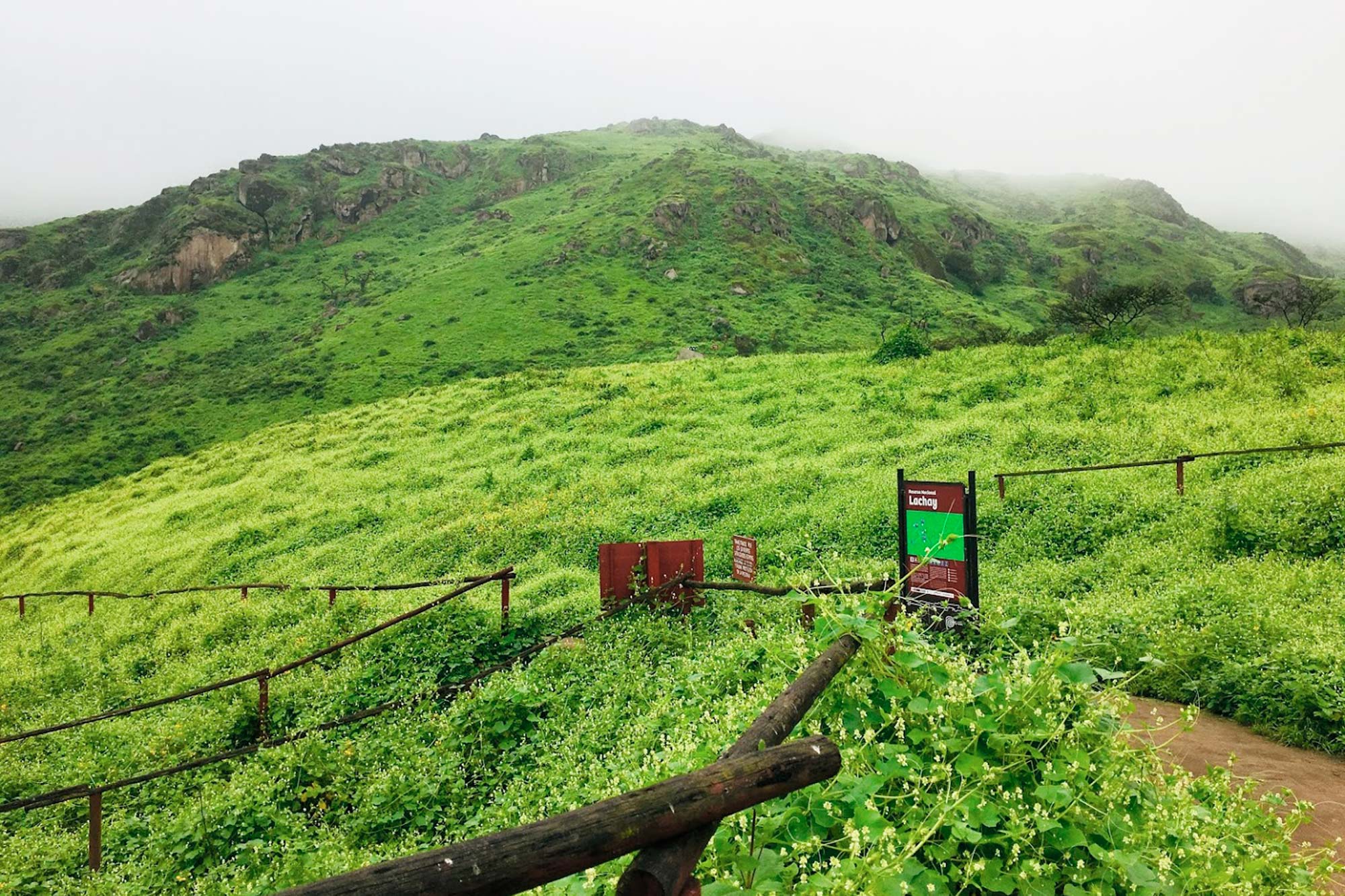
The coast is predominantly dry and traversed by river valleys. In the wet season, coastal fog temporarily transforms the Lomas de Lachay into a green landscape.
To the east, the terrain rapidly rises into the Andes. Nor Yauyos-Cochas protects rivers, waterfalls, lagoons, high pastures, and traditional cultural landscapes.
Economy in Lima
Agriculture, fishing, mining, energy, trade, and services shape the provinces in different ways.
Agriculture and Valleys
Huaral, Huaura, and Cañete are among the productive agricultural areas of the central coast. Irrigation enables intensive farming.
Fishing and Coast
Ports and coastal towns thrive on fishing, processing, trade, and services. Proximity to the capital creates a large market.
Andes and Raw Materials
In the mountain provinces, mining, livestock farming, energy, and local agriculture play significant roles.
Attractions in Lima
Between the Pacific coast, river valleys, and Andean highlands, Lima exhibits great scenic and cultural diversity. Archaeological centers, protected natural areas, and special sites complement the well-known destinations of the region.
Events in Lima
Concerts, culture, theater, sports, and special dates guide you through the department's event calendar.
Events are loading…
News from Lima
Latest news on culture, transport, tourism, infrastructure, and developments from Lima.
4 news items displayed

08/30/2026
Santa Rosa de Lima: How Peru celebrates its famous saint on August 30
Processions, regional festivals, and traditions characterize the holiday in Peru.
Read news
08/30/2026
New CPI surveys in Peru: López Aliaga leads in Lima
New survey data shows the current political mood in Lima and Peru.
Read news
08/29/2026
Beneath Santa Rosa de Lima: 450 years of history become visible
More than 450-year-old remains of the Hospital del Espíritu Santo are accessible to visitors.
Read news
08/28/2026
New flights to Peru: Rome–Lima planned
Peru is working on new direct connections to Europe. Rome–Lima could start in 2027.
Read newsPeruMagazin on WhatsApp
New destinations, events, and current news from Peru directly on the PeruMagazin channel.
FAQ about the Department of Lima
Is the Department of Lima the same as the city of Lima?
No. The Province of Lima, with the Peruvian capital, has a special status and does not belong to the Regional Government of Lima.
Where is the seat of the regional government located?
The seat of the Regional Government of Lima is in Huacho in the Province of Huaura.
Which provinces belong to the Lima region?
The regional government includes Barranca, Cajatambo, Canta, Cañete, Huaral, Huarochirí, Huaura, Oyón, and Yauyos.
Which attractions are particularly important?
Among the best-known destinations are Caral-Supe, the Lachay National Reserve, and the Nor Yauyos-Cochas Landscape Reserve.
What landscapes are there in the Department of Lima?
The region ranges from the dry Pacific coast and irrigated valleys to the high Andes with canyons, lagoons, and high pastures.
How do you travel through the Department of Lima?
On the coast, the Panamericana is the most important transport axis. Roads from the coastal valleys and the greater Lima area lead into the mountain provinces.
Sources and Image Credits
- INEI: Administrative, area, and population data for Peru and the Lima region.
- Gobierno Regional de Lima: regional administration and information on the nine provinces.
- Zona Arqueológica Caral and UNESCO World Heritage Centre: Sacred City of Caral-Supe as well as other centers of the Caral civilization.
- SERNANP: Lachay National Reserve and Nor Yauyos-Cochas Landscape Reserve.
- Image: Viajando por Perú – Huacho, Huaura.
- Image: Wikiloc – Lomas de Lachay.
- Image: NPR – Caral-Supe.
- Image: Alternative Peru – Nor Yauyos-Cochas Landscape Reserve.
- Image: TravelPal – Huacho.
- Image Landscape and Nature: Machu Picchu Terra – Lomas de Lachay.
- Image News Santa Rosa de Lima: Wikimedia Commons – Escuela Novohispana, México.
- Image News CPI / Rafael López Aliaga: El Periodista.
- Image News Hospital del Espíritu Santo: El Comercio.
- Image News new flight connections: Perú21 / Andina – Jorge Chávez International Airport.