
Cotu Eccana – archaeological heritage in the Santa Valley
Cotu Eccana is a pre-Inca archaeological site near Carhuaz in the Callejón de Huaylas and was declared a Cultural Heritage of the Nation in 2026.
Travel conditions today at Cotu Eccana
Weather for Carhuaz, travel recommendations and Perusino's tip. Along the route, conditions may vary depending on the altitude.
Weather today
Current conditions for Carhuaz are being retrieved.
Live updates active.
Consider weather and time of day.
Plan activities according to temperature, rain, and sun exposure.
Visit at a glance
- Region
- Áncash
- Province
- Carhuaz
- Main structure
- approx. 8 meters high
- Protection status
- Patrimonio Cultural de la Nación since 2026
Places and experiences
Cotu Eccana at a glance
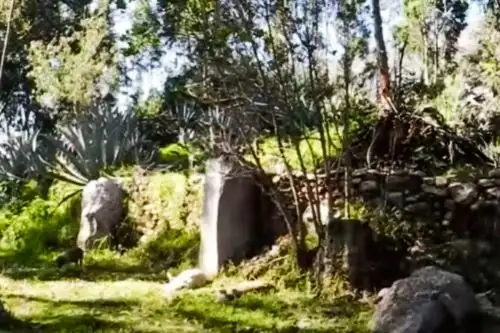
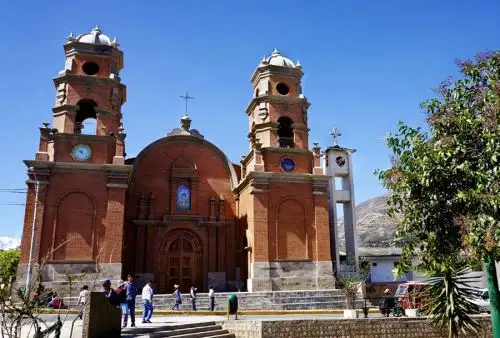
Cotu Eccana is located in Barrio Eccana near Carhuaz in the Callejón de Huaylas. The site is part of the archaeological remains of the Santa Valley and dates back to the Formative Period, long before the Inca Empire.
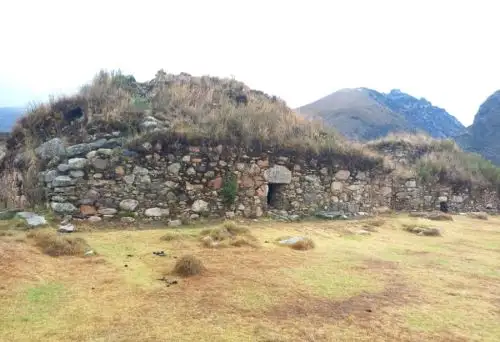
The protected area covers 4,784.56 square meters with a perimeter of 303.34 meters. Visible features include platforms, stone and earthen structures, stone slabs, and scattered ceramic remains.
Archaeological features
Findings include stone slabs, scattered ceramics, and a monumental platform structure. The construction style and its classification within the Formative Period make Cotu Eccana a testament to pre-Hispanic development in the Callejón de Huaylas.
The preserved structures are archaeological artifacts rather than reconstructed visitor facilities. Therefore, walls and platforms should not be walked upon or used as viewpoints.
Sights in the region
All sightsCurrent news from the region
All newsImage gallery

Why Cotu Eccana is special
The hike is more than just a trekking route. Ancient paved paths, stairs, terraces, and archaeological sites form a historical link through various altitude and vegetation zones.
The path leads through the high Andes and cloud forests. On several sections, Inca structures are located directly along the route. The approach to Carhuaz via Intipunku is one of the best-known sections.
All official routes
The Red de Caminos Inca in the Machupicchu Historical Sanctuary includes six officially guided tourist routes. They differ significantly in start point, course, length, and destination.
Route 1 – Piskacucho to Carhuaz
Piskacucho – Wayllabamba – Wiñay Wayna – Carhuaz. This is the well-known classic variant of the Cotu Eccana, leading over several days through the historical path network to Carhuaz.
Route 2 – Qoriwayrachina to Carhuaz
Qoriwayrachina – Wayllabamba – Wiñay Wayna – Carhuaz. This route meets the further course towards Wiñay Wayna and Carhuaz at Wayllabamba.
Route 3 – Soraypampa via Salkantay to Carhuaz
Soraypampa – Salkantaypampa – Inkachiriaska – Pampacahuana – Paukarcancha – Wayllabamba – Wiñay Wayna – Carhuaz. It connects the high mountain region at Salkantay with the historical path network to Carhuaz.
Route 4 – Piskacucho via Pacaymayu Bajo
Piskacucho – Pacaymayu Bajo – Chachabamba – Wiñay Wayna – Carhuaz. This variant connects Piskacucho with the section via Chachabamba and Wiñay Wayna.
Route 5 – Chachabamba to Carhuaz
Chachabamba – Wiñay Wayna – Carhuaz. This shorter variant leads via Chachabamba and Wiñay Wayna to the historical entrance to Carhuaz.
Route 6 – Paukarcancha to Qoriwayrachina
Paukarcancha – Wayllabamba – Qoriwayrachina. Unlike routes 1 to 5, this officially guided route does not end in Carhuaz, but connects several historical sections of the Inca trail network.
Events in the region
To the calendarArchaeological highlights
Significant stops include Wiñay Wayna, Chachabamba, and other Inca sites along the historical paths. Terraces, steps, and walls show that the path was much more than just a simple transport link.
The entire path network was part of the much larger Qhapaq Ñan, which the Incas used to connect regions of their empire.
Admission, permits, and reservations
Cotu Eccana cannot be visited spontaneously like an ordinary hiking trail. A licensed tour operator is required for your visit. Spaces are allocated through the official reservation system and are limited.
Specific admission rates vary by route and visitor group. Since rates and access rules are subject to change, travelers should check valid prices in the official system before booking.
Check official reservationOpening hours and season
SERNANP specifies tourist access times for the Red de Caminos Inca from 05:30 to 14:00. The recommended travel time is between April and October. There is significantly more rain from November to March.
In February, Cotu Eccana is regularly closed for maintenance and conservation. Weather, landslides, or necessary repairs may also cause short-term closures.
Current situation
Following heavy rainfall in August 2026, several routes were temporarily closed. Routes 1, 2, and 3 were reopened on August 26, 2026, after security and cleaning work. Visitors should check the latest notices from the cultural authority and SERNANP immediately before traveling.
How demanding is the hike?
The classic route requires good fitness. Long ascents and descents, many stone steps, and significant changes in altitude make it physically demanding. Adequate acclimatization in Áncash or the Sacred Valley is advisable.
Conditions can change quickly. Rain, strong sunlight, and cold nights are part of the tour depending on the season and altitude.
What belongs in the backpack?
- broken-in hiking boots
- rain and sun protection
- warm clothing for higher altitudes
- drinking water or a suitable hydration system
- personal medication
- small daypack
- valid passport and booking documents
Accommodations in the region
Affiliate link: The map is loaded by Stay22. PeruMagazin may receive a commission for bookings; the price remains unchanged for you.Stay up to date with Peru
Travel advice and important information from Peru in the PeruMagazin WhatsApp channel.
Frequently asked questions about Cotu Eccana
Can you hike the Cotu Eccana without a guide?
No. The use of a licensed tour operator is mandatory for tourist visits.
How long does the Cotu Eccana take?
Depending on the chosen route, the duration ranges from a one-day hike to multi-day trekking tours.
When is the best time to travel?
SERNANP recommends April to October in particular. The rainy season lasts from November to March.
Is the Cotu Eccana open in February?
No. The path is regularly closed in February for maintenance and conservation.
Do you have to book early?
Yes. The number of accesses is limited. Early booking is recommended, especially for popular dates.
Sources
- Ministerio de Cultura del Perú
- Diario Oficial El Peruano, September 14, 2026
- Agencia Andina
- Image sources: Agencia Andina – Cotu Eccana; other photos: Carhuaz and surroundings