
Tingo María
Tingo María is Selva Alta in the immediate sense: green mountains, tropical warmth, waterfalls, caves, cacao, the Huallaga River, and the striking silhouette of the "Bella Durmiente" (Sleeping Beauty). Those looking to experience Peru between the Andes and the Amazon will find a compact blend of city, national park, and jungle landscape here.
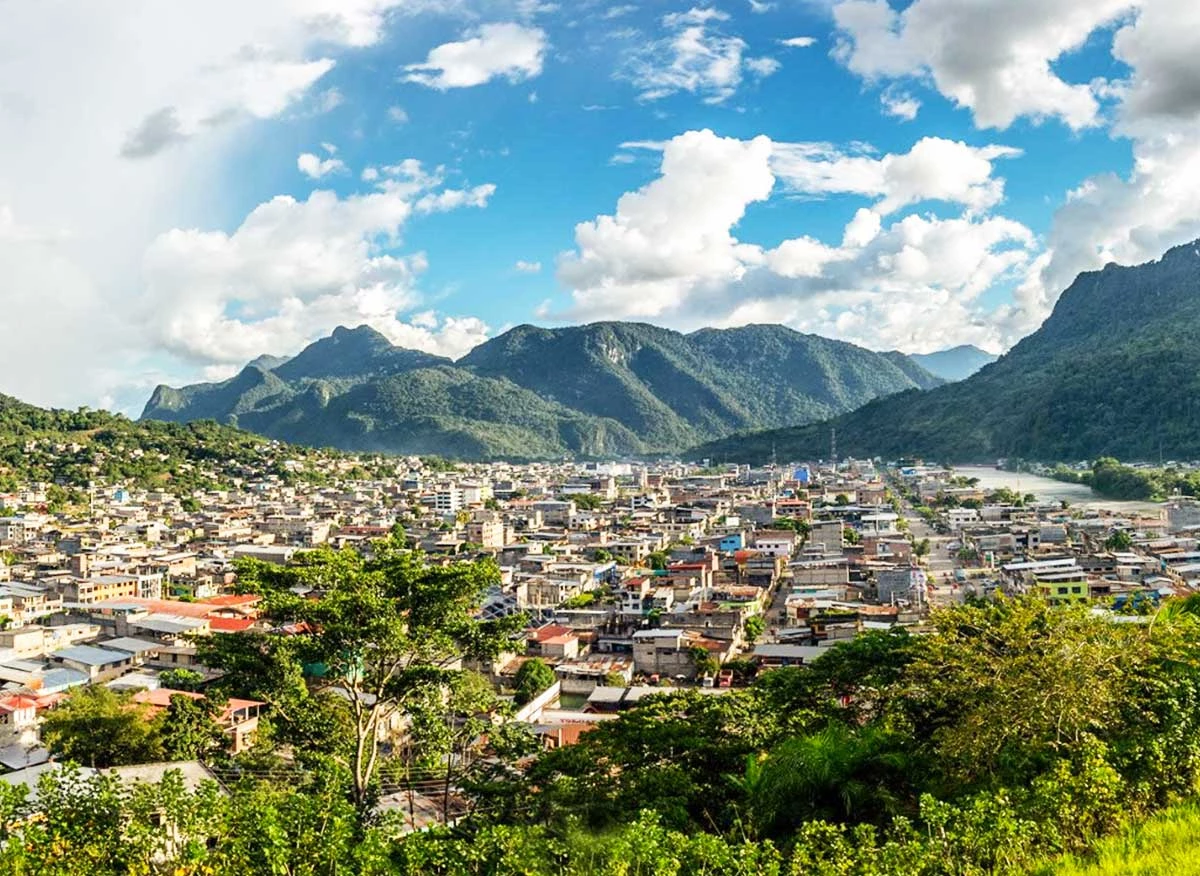


Where the Andes meet the Amazon.
Tingo María is located in the Huánuco region, in the Leoncio Prado province, right in the heart of the Peruvian Selva Alta. The city is surrounded by forested mountains and is closely linked to the Huallaga River.
For visitors, Tingo María is primarily a nature destination. Tingo María National Park begins just a few kilometers outside the city, placing caves, waterfalls, sulfur springs, viewpoints, and dense forest remarkably close together.
In addition, there is a vibrant city with markets, mototaxis, restaurants, cacao and coffee products, as well as a distinct jungle cuisine.

Tingo María is both city and jungle.
Here, city streets, river landscapes, caves, waterfalls, viewpoints, and tropical forest alternate in quick succession. It is exactly this proximity that makes the town such a strong travel destination.
What makes Tingo María special
Tingo María does not feel like a single tourist spot. The city serves as a base for several very different nature experiences.
Tingo María National Park protects 4,777 hectares of Selva Alta and includes the Bella Durmiente and the Cueva de las Lechuzas, among others.
Santa Carmen, Gloriapata, and other cascades combine short hikes with natural pools and dense tropical vegetation.
The Cueva de las Lechuzas is the most famous cave system in the region and a habitat for nocturnal oilbirds (guácharos).
Leoncio Prado is a major cultivation area for cacao and coffee, making local products an essential part of the travel experience.
Places and experiences around Tingo María
Many destinations are so close to the city that several spots can be combined in one day. However, for a more relaxed trip, it is worth spreading the region over several days.
Tingo María National Park: nature right outside the city.
Founded in 1965, the national park protects 4,777 hectares of tropical mountain forest. Its tourist areas are just a few kilometers from Tingo María.
Visitors will find caves, waterfalls, springs, hiking trails, and an exceptionally high level of biological diversity. SERNANP reports 291 species of birds, 242 species of orchids, 320 species of butterflies, and 76 species of mammals in the protected area.
Cueva de las Lechuzas: the most famous nature destination.
The Cueva de las Lechuzas is located about seven kilometers from Tingo María. A wooden walkway leads visitors into the front area of the massive limestone cave.
The name is slightly misleading. Its most famous inhabitants include oilbirds (guácharos), nocturnal birds that feed on fruit. There are also bats and other animal species, while stalactites and stalagmites shape the cave landscape.
Why Tingo María piques visitor curiosity
Tingo María combines things that are often far apart elsewhere in Peru: a functional city, rainforest, mountains, rivers, and accessible nature destinations.

Gloriapata and Tres de Mayo: waterfalls instead of city life.
In the Tres de Mayo sector, a hiking route leads through damp forest to the Gloriapata waterfall. MINCETUR describes a main cascade of about 25 meters and a second, smaller tier.
The journey is part of the experience. Orchids, insects, birds, rocks, and dense forest make it clear why Tingo María is not a destination to be understood only from a car window.
San Francisco La Cruz Viewpoint: city, river, and Bella Durmiente.
The San Francisco La Cruz viewpoint is located above the city and offers a wide view over Tingo María, the Huallaga River, and the surrounding mountains.
The silhouette of the Bella Durmiente is particularly easy to recognize from here. The viewpoint is therefore a great starting point to understand the city's location between the river and the forested mountain ridges.
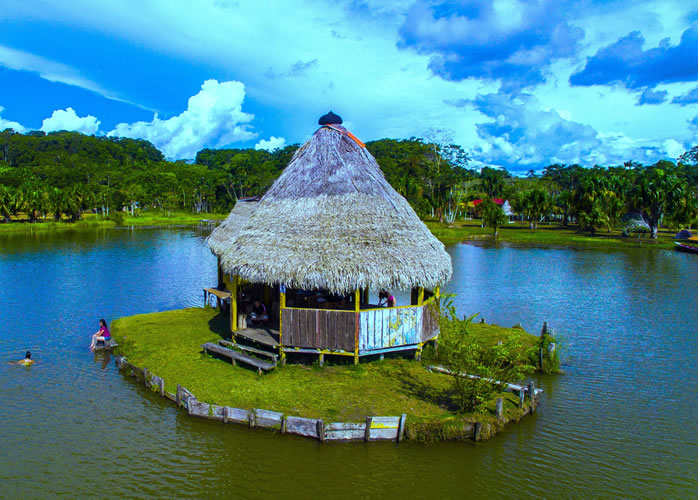
Laguna de los Milagros: calm water in the green north.
The Laguna de los Milagros is located northeast of Tingo María in the Leoncio Prado province. MINCETUR indicates a water surface of about 58,000 square meters.
Boat trips, birdwatching, walking, and the tranquil environment make the lagoon a good counterpoint to cave and waterfall tours.
Cacao, coffee, and jungle cuisine.
Tingo María is not just about nature. The surroundings are an important production area for cacao and coffee. In the city, visitors can find chocolate makers, coffee roasters, and regional products.
Culinary life also reflects the transition to the Amazon. Juane, tacacho, grilled fish, cecina, tropical fruits, and fresh juices are part of the regional cuisine in many places.

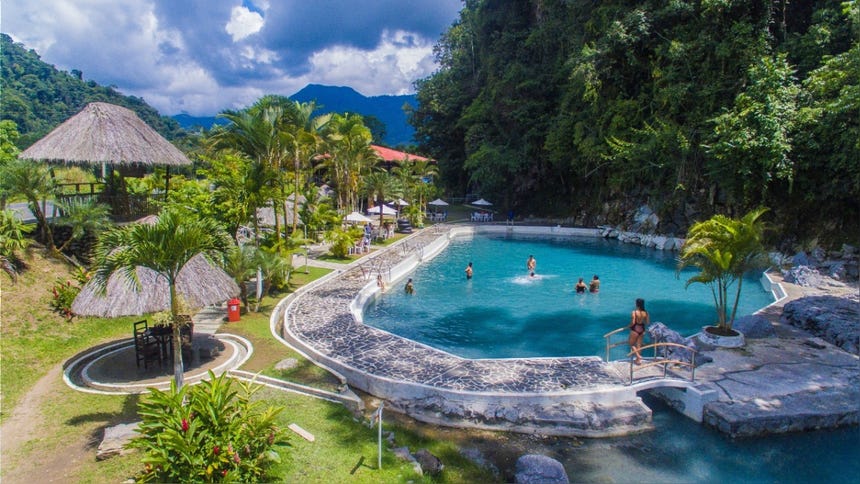
Aguas Sulfurosas: turquoise water in the forest.
The sulfurous springs are among the classic short excursions around Tingo María. The water emerges from the rocks amidst dense vegetation and collects in natural or man-made pools.
The temperature is refreshing rather than hot. Visitors come primarily for the unusual water color, the surroundings, and the opportunity to cool off after a tour.
Practical travel tips for Tingo María
PeruMagazin on WhatsApp
New Peru content, travel ideas, and exciting topics directly in the channel.
Open WhatsApp channelFAQ about Tingo María
What is Tingo María famous for?
Tingo María is best known for Tingo María National Park, the Cueva de las Lechuzas, the Bella Durmiente, waterfalls, tropical landscape, and cacao.
Is Tingo María worth visiting?
Yes. Especially for travelers looking for nature, short hikes, caves, waterfalls, and tropical landscapes, Tingo María offers a great deal in a compact area.
What are the main excursions from Tingo María?
The most important destinations include the Cueva de las Lechuzas, Gloriapata, Santa Carmen, the Aguas Sulfurosas, the San Francisco La Cruz viewpoint, and the Laguna de los Milagros.
When is the best time to visit Tingo María?
The region can be visited year-round. For hiking, many travelers find the drier phase outside of the rainier months of October to April more pleasant.
How many days should I plan for Tingo María?
For a first visit, three to five days makes sense. This allows you to combine the national park, waterfalls, viewpoints, and the town without having to rush.
Relevant PeruMagazin Pages
The great introduction to the country, travel planning, culture, and key topics.
Coast, Andes, Selva, and the country's diverse landscapes.
Seasons, Andean weather, and tropical humidity in the Selva.
Flights, buses, taxis, rental cars, and transportation within the country.
Advice on daily travel, traffic, natural hazards, and local conduct.
Selected nature, culture, and historical destinations across the country.
Sources
- SERNANP: Tingo María National Park – Protected area, opening hours, rates, biodiversity, and tourist sectors
- MINCETUR: Inventory of Tourist Resources – Cueva de las Lechuzas, Gloriapata Waterfall, San Francisco La Cruz Viewpoint, and Laguna de los Milagros
- PROMPERÚ / Y tú qué planes?: Huánuco and Tingo María – Nature destinations, waterfalls, Aguas Sulfurosas, and travel tips
- Regional Government of Huánuco: Tourism and transport infrastructure in Tingo María
- Provincial Municipality of Leoncio Prado: Tourist information and regional offers
- Image sources: PROMPERÚ / Y tú qué planes?, MINCETUR, RPP, Inforegión, Turismo en Ruedas, Tourstingomaria, Jungla Birds, Tu Diario Huánuco, and Tingo María Nunash Tours
