
Tarapoto
Tarapoto is the warm, green gateway to eastern Northern Peru: waterfalls, tropical vegetation, mototaxis, coffee, cocoa, and short distances to Lamas, Chazuta, Sauce, and the Cordillera Escalera. The city is vibrant, uncomplicated, and an excellent base for nature days in San Martín.


.jpg?width=1200)


The Green North begins here.
Tarapoto is located at the transition between the Andean foothills and the Amazon region. This very location shapes the city: warm climate, lush greenery, rivers, waterfalls, and forested ridges are right on its doorstep.
Tarapoto itself is not a quiet jungle outpost. Markets, restaurants, cafes, mototaxis, and a bustling daily life define the cityscape. Its real strength lies in the combination of the city and its surroundings.
Many destinations can be reached as day trips, making Tarapoto particularly suitable as a base for several days in green Northern Peru.

Tarapoto is city and nature at the same time.
To the waterfall in the morning, back to the city at noon, and then to Lamas or Laguna Azul the next day: This exact mix makes Tarapoto one of the most versatile starting points in Northern Peru.
What makes Tarapoto special
The region doesn't rely on a single landmark. Its strength lies in the density of various experiences around the city.
Ahuashiyacu is the most famous name. There are also other waterfalls and natural attractions in the area.
The Cordillera Escalera connects forested heights, waterways, and protected areas directly with the Tarapoto region.
San Martín is one of Peru's important growing regions. Coffee and cocoa are therefore an integral part of any trip.
Lamas, Sauce, Chazuta, and Laguna Azul expand Tarapoto into an entire travel landscape.
Places and experiences around Tarapoto
Those who use Tarapoto as a base can combine city, waterfalls, cultural sites, and lakes in a compact itinerary.

Ahuashiyacu: Tarapoto's most famous waterfall.
The Catarata de Ahuashiyacu is located in the Cordillera Escalera area east of Tarapoto. The waterfall is one of the region's most famous natural attractions and can be easily combined with a stay in the city.
Especially for a first day, Ahuashiyacu shows why Tarapoto works as a nature base: The city remains close, yet the landscape changes significantly within a short time.
Laguna Azul: a day by the water.
Lago Sauce, usually called Laguna Azul, is located south of Tarapoto near the town of Sauce. The journey is longer than to Ahuashiyacu, but the excursion gains its own character.
At the lake, it's all about scenery, boat trips, food, and a calmer daily rhythm. If you're staying in Tarapoto for several days, you shouldn't just view Sauce as a photo stop.

Why Tarapoto makes visitors curious
Tarapoto is easily accessible, yet close to landscapes that differ significantly from coastal and Andean Peru.
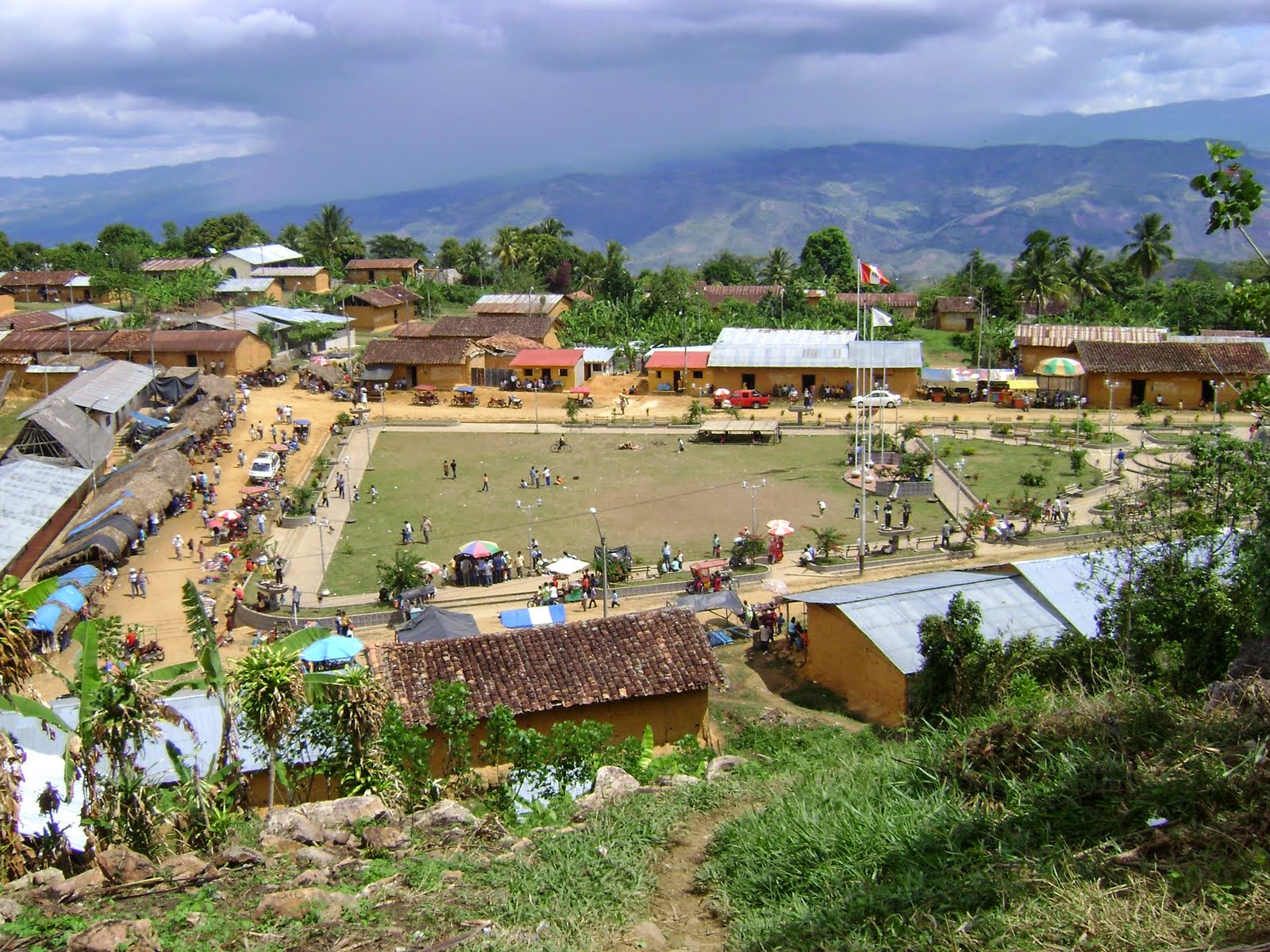
Lamas: Culture at the gates of Tarapoto.
Lamas is just a short drive from Tarapoto and complements nature excursions with a cultural focus. The Barrio Wayku, with its indigenous identity, is particularly well-known.
The town should not be treated as a quick backdrop. Those who take their time will get a better impression of how different city life and cultural traditions coexist in San Martín.
Chazuta: Cocoa, ceramics, and Río Huallaga.
Chazuta is located southeast of Tarapoto on the Río Huallaga. The town combines river landscapes with traditional ceramics and the region's cocoa culture.
For travelers, Chazuta is a good addition if Tarapoto is to be more than just waterfalls and short excursions. Here, the economic and cultural everyday life of San Martín becomes more visible.


The cuisine: Tarapoto tastes like San Martín.
Tarapoto is a good place to get acquainted with the cuisine of the Peruvian Amazon region. Juane, Tacacho, regional fish dishes, and tropical ingredients are featured alongside a growing coffee and cocoa scene.
Coffee and cocoa, in particular, are more than just souvenirs. They connect Tarapoto with agricultural producers and processors throughout the San Martín region.
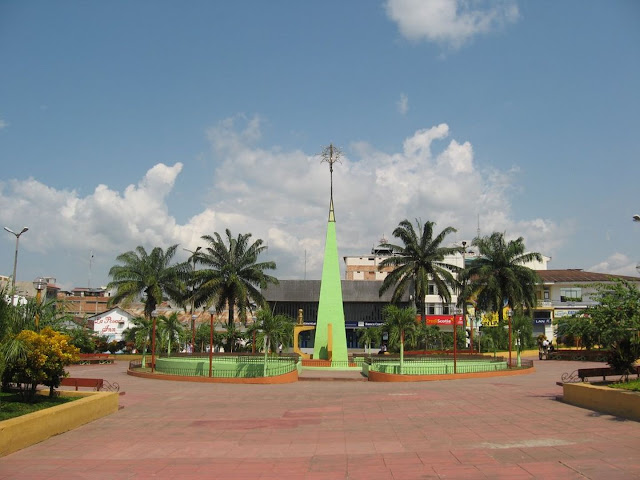
Tarapoto City: vibrant rather than quiet.
Tarapoto is a transportation hub, a commercial city, and a tourist starting point. Mototaxis dominate the traffic, while restaurants, markets, and shops create significantly more activity than in many smaller towns in the region.
Anyone expecting only a secluded jungle spot will be surprised. It is precisely the vibrant city that makes it easy to combine nature days with restaurants, shopping, and uncomplicated travel organization.
PeruMagazin on WhatsApp
New Peru content, travel ideas, and exciting topics directly in the channel.
Open WhatsApp channelPractical travel tips for Tarapoto
FAQ about Tarapoto
What is Tarapoto known for?
Tarapoto is primarily known for its waterfalls, tropical nature, the Cordillera Escalera, and excursions to Lamas, Sauce, and Laguna Azul.
Is Tarapoto worth visiting?
Yes. Tarapoto is particularly suitable for travelers who want to combine nature, regional cuisine, and several day trips from an easily accessible city.
What are the most important excursions from Tarapoto?
Classic destinations include Ahuashiyacu, Lamas, Laguna Azul near Sauce, Chazuta, and other waterfalls in the surrounding area.
When is a good time to visit Tarapoto?
Tarapoto can be visited year-round. The climate is tropical, and rain is possible at any time. For excursions, therefore, not only the month but also the current weather situation should be considered.
How many days should one plan for Tarapoto?
Four to six days is a good timeframe if, in addition to the city, Ahuashiyacu, Lamas, and at least one longer day trip are planned.
Related PeruMagazin pages
The gateway to the coast, highlands, and green north.
Culture, Barrio Wayku, and a short excursion from Tarapoto.
The town on Laguna Azul south of Tarapoto.
Cocoa, ceramics, and Río Huallaga.
Regional capital and next stepping stone towards Alto Mayo.
Green landscape, caves, and rivers in Alto Mayo.
Sources and image credits
- MINCETUR: tourist resources in San Martín, including Ahuashiyacu, Lago Sauce, and Tarapoto.
- SERNANP and regional protected area information: Nature and protected areas in the San Martín region.
- Wikimedia Commons: "Cataras de Ahuashiyacu.jpg", EdsonFuentesMera, CC license according to file page.
- Wikimedia Commons: "LAGUNA-AZUL TARAPOTO PERU.jpg", Andy5197, CC BY-SA 4.0.
- Wikimedia Commons: "TARAPOTO (LAGUNA AZUL).jpg", Jornellaparco, CC BY-SA 4.0.

