
San Vicente de Cañete & Imperial
San Vicente de Cañete and Imperial form the urban heart of the Cañete Valley south of Lima: Afro-Peruvian culture, historic haciendas, agriculture, markets, and short distances to Lunahuaná and the Pacific coast.


Two cities, one shared center.
San Vicente is the capital of the Cañete province. Imperial lies right next to it and belongs to the same urban area.
San Vicente bundles administration, services, and transport. Imperial feels denser, busier, and more strongly characterized by regional trade.
Together, both cities function as a starting point for the lower Cañete valley, the coast, and the route to Lunahuaná.

Cañete is not a stopover. Cañete is a region in its own right.
Between the Pacific and the Andean foothills, San Vicente and Imperial connect Afro-Peruvian heritage, haciendas, agriculture, wine, pisco, and the everyday life of one of the most interesting provinces south of Lima.
What makes San Vicente de Cañete & Imperial special
The two cities are not classic holiday resorts. Their appeal stems from culture, history, and their location in the middle of a versatile region.
Music, dance, cuisine, and festivals are among Cañete's strongest cultural features.
Castillo Unanue, Montalván, and other sites tell the history of the fertile coastal valley.
The Cañete River enables intensive agriculture between the dry coast and the Andean foothills.
Lunahuaná, Cerro Azul, San Luis, Pacarán, and other destinations are easily connected.
Places and experiences around San Vicente & Imperial
As with Tumbes, this destination page acts as a regional entry point. The two cities form the base for destinations throughout the entire Cañete valley.

Castillo Unanue: the historic landmark.
The Casa Hacienda de Unanue is located in the district of San Vicente de Cañete at kilometer 145 of the Panamericana Sur. MINCETUR lists it as a cultural landmark of the province.
José Unanue de la Cuba began construction in 1843. The complex is one of the most striking historic structures in the lower Cañete valley.
Afro-Peruvian Cañete: culture that lives on today.
Cañete is closely linked to Afro-Peruvian history. This tradition is reflected not only in historical narratives but continues today in music, dance, cuisine, and festivals.
San Luis is considered an important cultural point of reference. Afro-Peruvian heritage is also visible in San Vicente during events and public festivals.

Why San Vicente & Imperial make visitors curious
The focus here is not on a single landmark. What makes it interesting is the mix of urban everyday life, history, culture, and the many excursion destinations within a short distance.
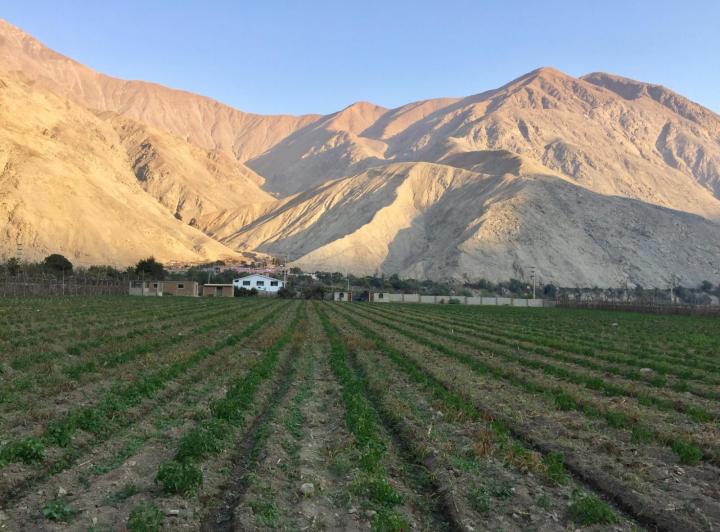
The Cañete Valley: agriculture between desert and river.
Around San Vicente, it becomes clear how strongly irrigation and agriculture shape the Cañete valley. Fields and cultivated landscapes stand in clear contrast to the dry coastal zone.
The Cañete River forms the foundation for fruit growing, viticulture, and other agricultural use. This change in landscape becomes particularly evident on the way toward Lunahuaná.
Cerro Azul: from the valley directly to the Pacific.
West of San Vicente lies Cerro Azul. The coastal town complements the trip with beach, Pacific, and its distinctive pier.
This makes it easy to combine a stay in San Vicente and Imperial with a day by the sea.


The cuisine: Cañete tastes robust and regional.
Carapulcra and sopa seca are among the dishes most closely associated with the southern coastal region. In Cañete, this cuisine meets local agriculture and Afro-Peruvian tradition.
Wine and pisco from the valley round off the province's culinary profile.
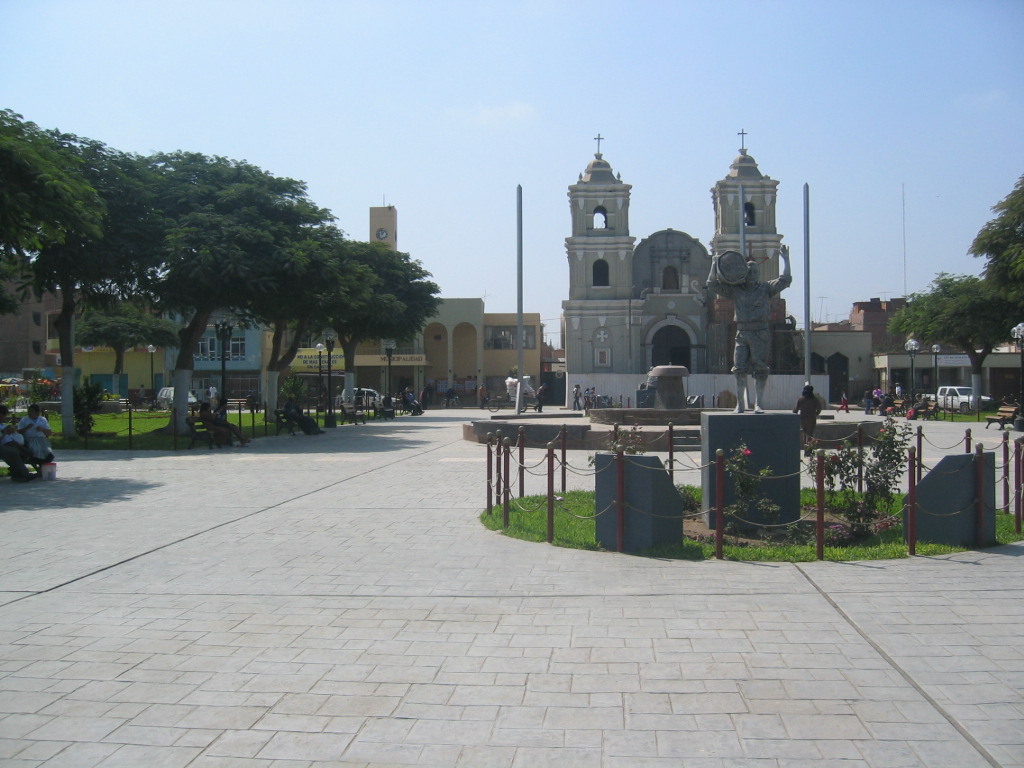
Imperial: market, plaza, and regional everyday life.
Imperial is located only a few kilometers from San Vicente. The city is less touristy, which is precisely why it is interesting.
Around the Plaza Mayor, church, and commercial streets, you experience Cañete as a regional hub of commerce, transport, and daily life.

Lunahuaná and the upper valley: wine, pisco, and landscape.
From Imperial, the road leads further to Lunahuaná. The valley becomes greener, with vineyards and fruit cultivation defining the landscape.
Several bodegas produce wine and pisco. This quickly turns San Vicente and Imperial into a multi-day route through the Cañete valley.
Practical travel tips for San Vicente de Cañete & Imperial
PeruMagazin on WhatsApp
New Peru content, travel ideas, and exciting topics directly in the channel.
Open WhatsApp channelFAQ about San Vicente de Cañete & Imperial
What is San Vicente de Cañete known for?
San Vicente is the capital of the Cañete province and a starting point for historic haciendas, Afro-Peruvian culture, Cerro Azul, and Lunahuaná.
Is Imperial worth it for visitors?
Yes, especially as a supplement to San Vicente. With its plaza, church, commerce, and markets, Imperial showcases regional daily life.
What are the most important excursions?
Castillo Unanue, Hacienda Montalván, San Luis, Cerro Azul, and Lunahuaná are among the most important destinations.
How far apart are San Vicente and Imperial?
The two cities practically border each other; MINCETUR cites about five kilometers for the distance from San Vicente to Imperial.
How many days should be planned?
One day is enough for both cities. With the coast, haciendas, and Lunahuaná, two to four days are much more sensible.
Related PeruMagazin pages
The great introduction to the country, travel planning, and culture.
Coast, Andes, and Amazon at a glance.
Climate and seasons for travel planning.
Buses, taxis, rental cars, and traffic.
Notes for daily travel and traffic.
Other places and destinations in Peru.
Sources
- Municipalidad Provincial de Cañete: Tourism in Cañete and Plaza de Armas San Vicente
- MINCETUR: Inventory of Tourist Resources, Casa Hacienda de Unanue, and tourist resources in Cañete
- PROMPERÚ: Cañete – Beaches, valley, and adventure, as well as Lunahuaná
- Instituto Nacional de Radio y Televisión del Perú / Municipalidad Provincial de Cañete: Afro-Peruvian culture and events
- Image sources: El Peruano, Wikimedia Commons, gob.pe/IRTP, El Comercio, Chile en el Exterior, Sabor de Morenas, MiCiudad, Viaja sin Parar, and GetYourGuide; respective rights and source attributions with the provider
