Moquegua
Moquegua combines colonial urban history, arid Andean landscapes, wine and pisco traditions, and significant archaeological sites. Between the Plaza de Armas, Torata, Cerro Baúl, and the coast of Ilo, southern Peru reveals itself here as calm, steeped in history, and surprisingly versatile.



Southern Peru grows quieter here.
Moquegua is situated between the coast and the Andes and feels significantly calmer than many better-known travel destinations in southern Peru. That is precisely where much of its charm lies.
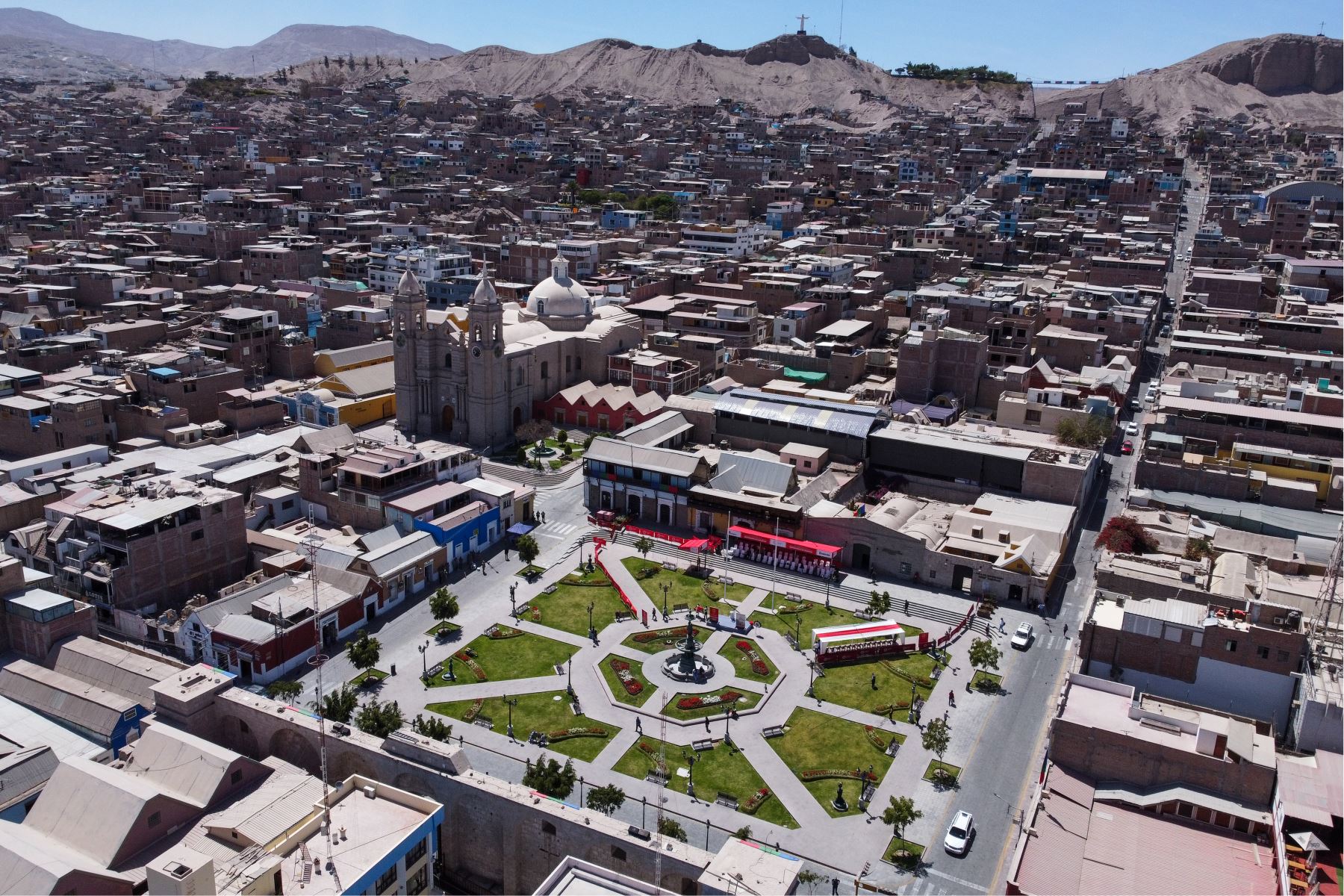
In the center, historic casonas, the Plaza de Armas, and the Museo Contisuyo meet a city that remains closely linked to agriculture, viticulture, and regional cuisine to this day.
Those who include the surrounding area find even more contrasts: Torata, Cerro Baúl, archaeological traces, arid valleys, and finally the Pacific Ocean near Ilo.
Moquegua is not a place you just pass through. Moquegua is a destination in itself in southern Peru.
The Plaza de Armas, casonas, Museo Contisuyo, Torata, Cerro Baúl, pisco, wine, and the coast of Ilo create a route that connects history, enjoyment, and landscapes.
What makes Moquegua special
Moquegua is compact enough for short distances and versatile enough for several days. The city and its surroundings combine cultural history, archaeology, and culinary delights in an unusually dense way.
The Plaza de Armas, casonas, and traditional urban architecture give Moquegua a very distinct character.
Cerro Baúl, Chen Chen, and other sites reveal the long history of the Wari, Tiwanaku, and regional cultures.
The valleys of Moquegua have been among Peru's traditional wine and pisco regions for centuries.
From the city of Moquegua, you can reach Andean valleys, desert landscapes, and the Pacific coast at Ilo within the same region.
Places and experiences around Moquegua
For visitors, Moquegua works best as a combination of city, archaeology, winery, mountain landscape, and coast.

Torata: Andean town with history and scenery.
Torata lies north of the city of Moquegua and is a good first excursion into the surrounding area. The town combines traditional architecture, Andean terraces, mills, regional cuisine, and archaeological sites.
The journey there demonstrates how quickly the landscape changes. The arid city area turns into an irrigated valley with agriculture and greener hillsides.
Cerro Baúl: Wari history above the valley.
Cerro Baúl is located in the Torata district, about twelve kilometers from Moquegua. The flat summit area rises to about 2,600 meters and was a significant settlement and ceremonial site for the Wari.
The ascent combines archaeology and landscape. Ceremonial and residential structures were found on the mountain. The Torata community manages the site in cooperation with the cultural authorities.

Why Moquegua makes visitors curious
Moquegua seems less staged than many well-known travel destinations. That is precisely why the city and region can often be experienced in a more relaxed way.

Wine and pisco: Moquegua tastes of valley and sun.
Viticulture has been part of Moquegua's history for centuries. In the irrigated valleys, grapes are grown that are processed into wine and pisco.
For visitors, a winery tour is more than just a tasting. It shows how agriculture functions in an arid landscape and why Moquegua possesses a culinary identity of its own.
Historic Casonas: Moquegua shows its urban history.
In the historic center, there are several traditional houses with wide wooden balconies, massive doors, and facades that shape the character of the city.
These casonas are among the elements that make Moquegua interesting for a walk. They tell of trade, prosperity, earthquakes, and the reconstruction of the city.

Museo Contisuyo: the key to the region's history.
The Museo Contisuyo is located directly on the Plaza de Armas. It displays archaeological finds from the Moquegua area and contextualizes the various cultures that have shaped the valley over millennia.
The collection includes ceramics, textiles, and other finds from the Wari, Tiwanaku, and local cultural history.
Moquegua City: compact, historic, and a good base.
The city of Moquegua is the practical center of the region. Around the Plaza de Armas are museums, historic buildings, restaurants, and shopping opportunities.
Those who stay for two or three nights can combine city tours, wineries, Torata, and Cerro Baúl without having to change accommodations every day.


The valleys: green in the middle of an arid landscape.
Moquegua thrives on its irrigated valleys. Between barren slopes, vineyards, orchards, and agricultural fields emerge, giving the region its characteristic contrast.
This landscape is an important part of the overall picture: without the valleys, wine, pisco, and many regional products would not be conceivable.
Ilo: Moquegua reaches the Pacific.
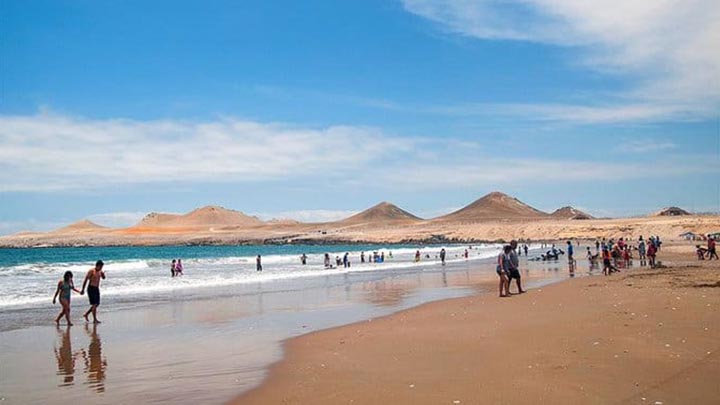
Ilo is located on the coast of the region and forms a clear counterpoint to the city of Moquegua. The boardwalk, port, beaches, and sea give a journey through the region a second character.
Those with more time can combine Moquegua city with one or two days on the coast, thus experiencing both the Andean region and the Pacific within the same region.

Chen Chen and the archaeological landscape.
The Moquegua region has numerous archaeological sites. Chen Chen is among the important places for researching the Tiwanaku presence in the valley.
Those interested in archaeology should therefore not reduce Moquegua to just Cerro Baúl. The entire valley tells of different settlement phases and cultural connections.
Practical travel tips for Moquegua
PeruMagazin on WhatsApp
New Peru content, travel ideas and exciting topics directly in the channel.
Open WhatsApp channelFAQ about Moquegua
What is Moquegua known for?
Moquegua is known for its historic center, wine and pisco, the Museo Contisuyo, Torata, Cerro Baúl and its proximity to the coastal city of Ilo.
Is Moquegua worth visiting?
Yes, especially for travelers who appreciate history, archaeology, regional cuisine, wine and less crowded destinations in southern Peru.
What are the most important excursions from Moquegua?
The most important excursions include Torata, Cerro Baúl, bodegas along the wine and pisco route and, if you have more time, the coast of Ilo.
When is the best time to travel to Moquegua?
Because of its dry climate, Moquegua is easy to visit for most of the year. Sunny days are common for excursions, while it can get cooler at night.
How many days should one plan for Moquegua?
Two days are enough for a first impression. If you want to combine the city, a winery, Torata, Cerro Baúl and other destinations at a relaxed pace, it is better to plan for three to four days.
Relevant PeruMagazin pages
The great introduction to the country, travel planning, culture and important topics.
Coast, Andes, Amazon and the country's scenic contrasts.
Seasons, coastal climate, Andean weather and Amazonian humidity.
Flights, buses, taxis, rental cars and getting around the country.
Tips on everyday travel, transport, natural hazards and local conduct.
Further special places, archaeological sites and natural destinations.
Sources
- Municipalidad Distrital de Torata: information on Cerro Baúl and tourist destinations in Torata
- Ministerio de Cultura / Museo Contisuyo: information on the collection and history of the Museo Contisuyo
- MINCETUR: tourist resources and inventory data on Moquegua and Ilo
- PROMPERÚ / Y tú qué planes: tourist information on the Moquegua region
- Image sources: MINCETUR, Infobae, Agencia Andina, PROMPERÚ / Y tú qué planes, La República, Urgente.bo, Más Destinos, Municipalidad Distrital de Torata, ChezCarlita, La Prensa Regional, Wikimedia Commons, Peru Travel and Tierras Vivas