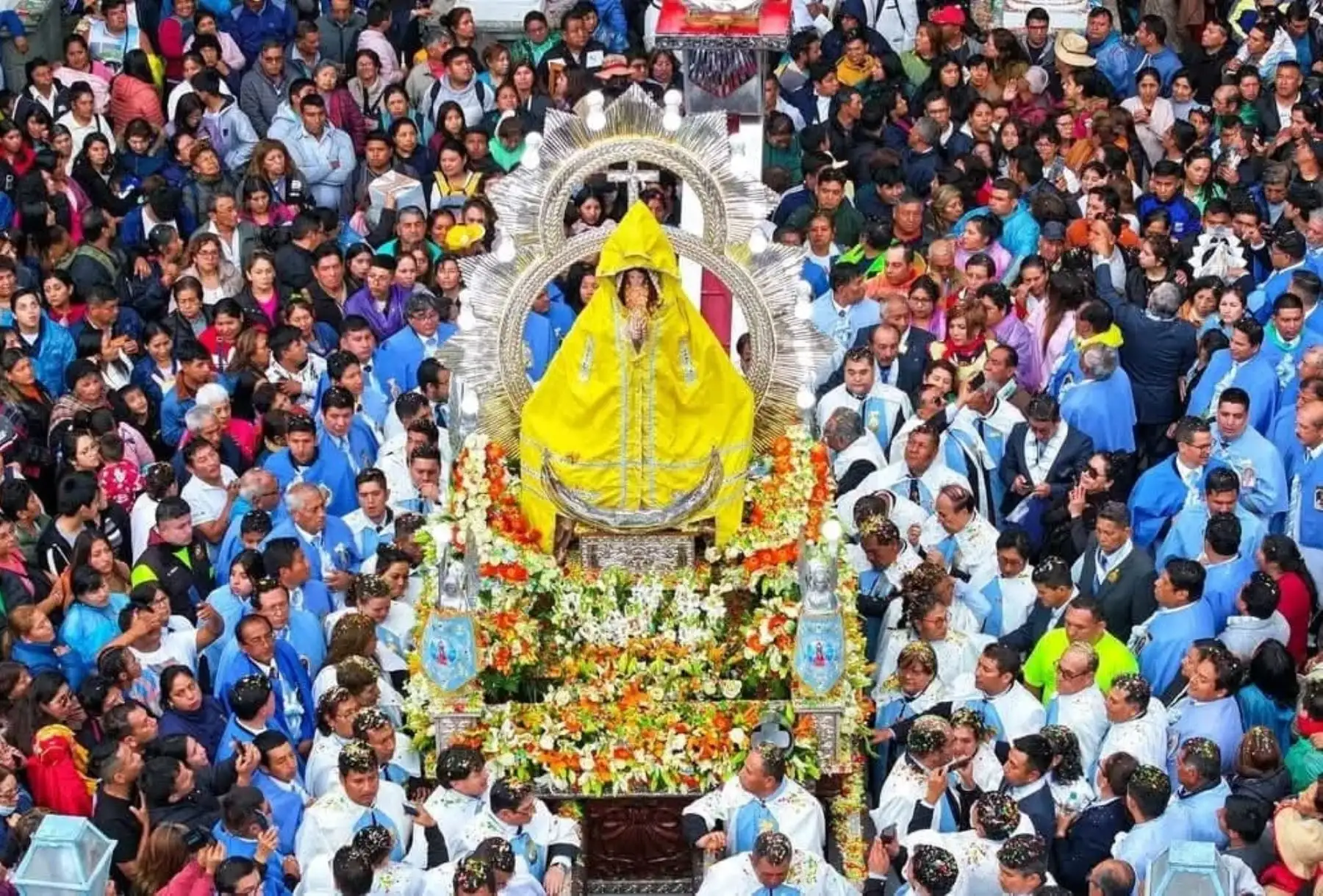
Magdalena de Cao
Magdalena de Cao is a small town in the Chicama Valley in La Libertad. Its particular strength lies in the combination of village life, Moche history, and the nearby El Brujo archaeological complex with the Señora de Cao.


Why Magdalena de Cao?
Magdalena de Cao is not a major tourist town. That is precisely where its appeal lies: the visit combines a manageable coastal town with one of the most important archaeological destinations in northern Peru.
The town is located in the Ascope province of La Libertad, about 60 kilometers north of Trujillo. The Plaza de Armas, the church, public art, and references to the Señora de Cao give the center its own unique character.
The most important reason for visiting remains El Brujo. However, anyone who just drives from their vehicle directly to the excavation site misses the connection between archaeological history and daily life in Magdalena de Cao today.
Small town, big history.
Magdalena de Cao works best as a joint travel component consisting of the village, Señora de Cao, the Cao Museum, and El Brujo.
What defines Magdalena de Cao
The town is closely linked to the history of the Chicama Valley and today especially to the Señora de Cao.
The Plaza de Armas, church, and short distances make the town center easily accessible on foot.
The important Moche woman defines the town's current tourist identity.
The archaeological complex and the Cao Museum are located a few kilometers outside the town.
Small shops, restaurants, local transport, and village life complement the archaeological route.
Impressions around Magdalena de Cao
For travel planning, the town and El Brujo go together. These eight points provide the most logical overview.
Plaza de Armas
The central square is the best starting point for a short tour.
Church
The church is part of the historic center of the town.
Dama de Cao
Her story is present in the townscape and tourist identity.
Town & Daily Life
A short walk shows a quiet slice of today's north coast, away from the big cities.
El Brujo
The major archaeological highlight is located just a few kilometers from the town.
Moche Culture
Reliefs and artifacts make the Moche culture particularly vivid.
Cao Museum
The museum supplements the excavations with findings related to the Señora de Cao.
Chicama Valley
The town is part of the fertile coastal landscape north of Trujillo.
The plaza as the focal point.
The town center is small enough to explore on foot without any time pressure. The Plaza de Armas, the church, and depictions of the Dama de Cao provide an initial overview.
This is practical for the route: a walk can be incorporated before or after visiting El Brujo without needing an additional travel day.
The Señora de Cao defines the town.
The discovery of the Señora de Cao in nearby El Brujo has deeply influenced Magdalena de Cao. Her story appears today in art, symbols, and tourist offerings.
This makes the town more than just a transit point. It forms the modern-day backdrop for a history that becomes archaeologically visible at the Cao Museum and Huaca Cao Viejo.
El Brujo is right on the doorstep.
The El Brujo Archaeological Complex is the main goal of the day. The site includes, among others, Huaca Cao Viejo, Huaca Prieta, and Huaca Cortada. The Cao Museum explains the artifacts and the story of the Señora de Cao.
Especially for a Northern Peru route, this combination is powerful: you get the town, the museum, and a significant excavation site in one manageable day trip.
Practical tips for Magdalena de Cao
The biggest hurdle is not the town itself, but the journey there. If you plan your route realistically, you can easily combine Magdalena de Cao and El Brujo into a one-day trip from Trujillo.
As a day trip from Trujillo.
Magdalena de Cao should not be planned in isolation. It makes sense to combine it with El Brujo and the Cao Museum. This way, the trip justifies a full-day excursion.
Those traveling by private vehicle, taxi, or organized tour will significantly reduce transit time. When using public transport, more time should be factored in.
PeruMagazin on WhatsApp
New Peru content, travel ideas, and exciting topics directly in the channel.
Open WhatsApp ChannelFAQ about Magdalena de Cao
Is it worth visiting Magdalena de Cao without El Brujo?
The town can be interesting for travelers who want to get to know smaller towns on the north coast. However, the main reason for visiting remains the combination with El Brujo and the Cao Museum.
How much time is needed?
One to two hours are usually sufficient for the town itself. Combined with El Brujo and the Cao Museum, half a day to a full day should be planned.
How do you get from Trujillo to Magdalena de Cao?
Public transport often involves traveling via Chocope. A rental car, taxi, or organized excursion is more comfortable because it avoids transfers.
Can you visit Magdalena de Cao as a day trip?
Yes. That is exactly how the town makes the most sense: Trujillo as a base, Magdalena de Cao as a town stop, and El Brujo with the Cao Museum as the archaeological focus.
Further reading
The detailed site page on the archaeological complex and the Señora de Cao.
The grand Chimú city near Trujillo and one of the most important archaeological sites in northern Peru.
Moche archaeology located just south of Trujillo.
Coastal town near Trujillo with beach, fishing, and caballitos de totora.
An overview of the coast, Andes, and the green north of Peru.
An overview of archaeology, nature, and important travel destinations.
Sources
- El Brujo Archaeological Complex and Cao Museum: Information on El Brujo, Señora de Cao, and travel
- PROMPERÚ: Tourist information on Magdalena de Cao, La Libertad, and the route from Trujillo
- Ministry of Culture of Peru: Information on the cultural and archaeological context
- Image sources: Wikimedia Commons; respective file and license details on the associated Commons pages