
Ilo
Ilo is a port city in southern Peru, where the Pacific, desert coast, and city life meet directly. Its malecon, historic port buildings, beaches, fresh fish, and the wildlife of Punta Coles make Ilo a unique destination in the Moquegua region.


A port city with its own coastal identity.
Ilo is located in the Moquegua region directly on the Pacific. The port shapes the city, but for visitors, Ilo is much more than an industrial and fishing center.
The Malecón leads along the sea to historical buildings, viewpoints, and harbor scenes. At the same time, several beaches and the protected coastal landscape of Punta Coles are only short distances away.
The combination of city, sea, desert, fishing, and nature clearly distinguishes Ilo from many better-known travel destinations in southern Peru.

Ilo lives with the Pacific.
Here, the port, fishing boats, sea lions, coastal promenade, beaches, and seafood cuisine are all part of a cityscape intrinsically linked to the water.
What makes Ilo special
Ilo combines a manageable port city with several very distinct coastal experiences.
The coastal promenade is one of the most important axes for walks, sea views, and city life.
Muelle Fiscal, Glorieta José Gálvez, and historic buildings commemorate the long importance of the port.
Puerto Inglés, Pozo de Lisas, and Boca del Río are near the city and show different sides of the coast.
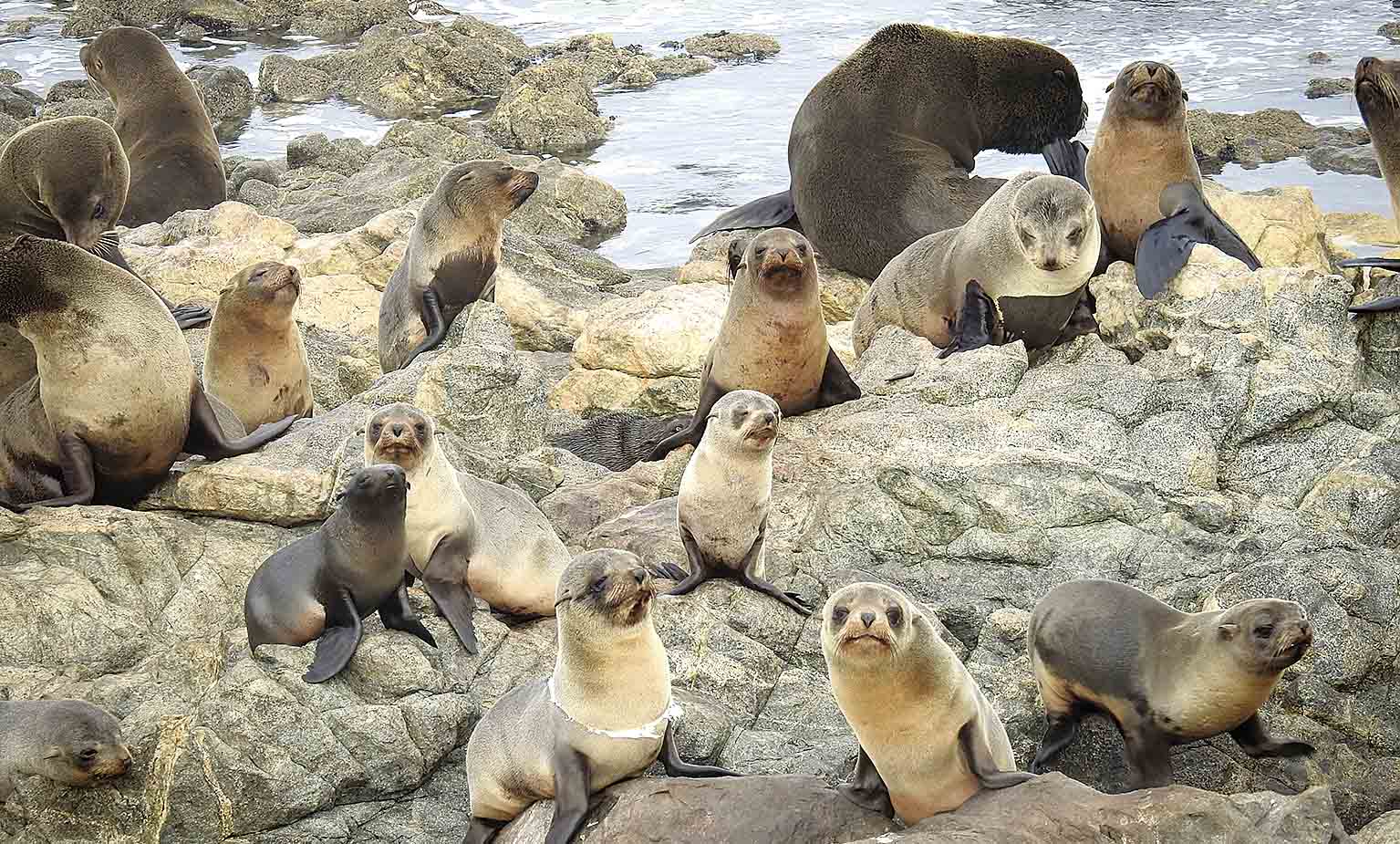
Punta Coles protects an exceptional coastal fauna with sea lions, Humboldt penguins, and seabirds.
Places and experiences around Ilo
Many of the most important destinations can be combined within the city or on short excursions along the coast.
Glorieta José Gálvez: Views over the harbor and sea.
Built in 1915, the Glorieta José Gálvez is one of Ilo's landmarks. It stands on a rock by the sea and is connected to the Malecón by the Puente Venus.
From here, the view extends over boats, the harbor, the coast, and seabirds. With a bit of luck, sea lions can also be seen in the vicinity.
Punta Coles: wild coast outside the city.
Punta Coles belongs to the Reserva Nacional Sistema de Islas, Islotes y Puntas Guaneras. This coastal section lies south of Ilo and protects significant populations of marine animals.
Sea lions, Humboldt penguins, and numerous seabirds make the area one of the most important natural destinations around Ilo. Visits should be planned according to the current guidelines of SERNANP.
Why Ilo sparks visitors' curiosity
Ilo doesn't function like a classic colonial city. Its strength lies in the direct connection between urban daily life and the Pacific coast.
Pozo de Lisas: Ilo's great city beach.
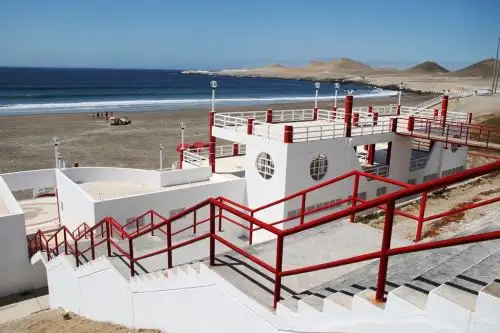
Pozo de Lisas is one of the province's best-known beaches. This wide stretch of coast is particularly popular during the Peruvian summer.
Those who want to combine beach time with a stay in the city will find this an uncomplicated complement to the Malecón and historic center.
Puerto Inglés: small cove between rocks.
Puerto Inglés is located just a few kilometers south of Ilo. The rocky cove appears significantly more compact than the long, open beaches in the area.
It is suitable as a short coastal stop and can be easily combined with other destinations south of the city.

The cuisine: Ilo tastes like the Pacific.
Fishing is part of the city's identity. Accordingly, fresh fish, ceviche, and seafood dishes are important in local gastronomy.
For visitors, a meal with a view of the Pacific is one of the simplest ways to get to know Ilo beyond its sights.
Ilo City: promenade, port, and daily life.
Ilo's center is manageable. Plaza, San Jerónimo Church, historic houses, Malecón, Glorieta, and Muelle Fiscal form an easily combinable route.
Especially in the late afternoon, the city shows its most pleasant side when the light over the Pacific softens and the Malecón fills up.
San Jerónimo and historic Ilo.
The Church of San Jerónimo and the preserved traditional houses remind us that Ilo was a developed coastal town long before the modern port.
A tour of this part of the city complements Ilo's maritime side with architecture and local history.
Practical travel tips for Ilo
PeruMagazin on WhatsApp
New Peru content, travel ideas, and exciting topics directly in the channel.
Open WhatsApp channelFAQ about Ilo
What is Ilo known for?
Ilo is known for its port, the Malecón, the Glorieta José Gálvez, the Muelle Fiscal, its beaches, and the wildlife of Punta Coles.
Is Ilo worth visiting?
Yes. Ilo is particularly interesting for travelers who want to combine coast, marine nature, port atmosphere, and regional history.
What are the most important excursions from Ilo?
Key destinations include Punta Coles, Puerto Inglés, Pozo de Lisas, El Algarrobal, and the Museo de Sitio Chiribaya.
When is the best time to visit Ilo?
Ilo can be visited year-round. For classic beach days, the warmer months of the Peruvian summer are particularly suitable.
How many days should one plan for Ilo?
Two days are enough for a good first impression. With beaches, Punta Coles, and El Algarrobal, three days are more pleasant.
Matching PeruMagazin pages
The grand introduction to the country, travel planning, culture, and important topics.
Coast, Andes, Amazon, and the country's diverse landscapes.
Seasons, coastal climate, Andean weather, and Amazon humidity.
Flights, buses, taxis, rental cars, and transportation in the country.
Notes on daily travel, traffic, natural hazards, and local conduct.
Sources
- Municipalidad Provincial de Ilo: Tourism information on history, beaches, and sights.
- MINCETUR: Inventario de Recursos Turísticos – Glorieta José Gálvez, Muelle Fiscal and coastal destinations of Ilo.
- PROMPERÚ / iPerú: "Ilo: puerto de encanto", information on the city, activities, and Punta Coles.
- SERNANP: Information on the Reserva Nacional Sistema de Islas, Islotes y Puntas Guaneras and Punta Coles.
- Wikimedia Commons: external image sources for Ilo, Malecón and San Jerónimo.
