
Ica
Ica combines desert, oases, vineyards, Pisco, history, and adventure. This city in southern Peru is the starting point for Huacachina, traditional bodegas, and a landscape where fertile valleys meet mighty sand dunes.


Between desert and fertile valley.
Ica is located in one of Peru's driest landscapes, yet it is characterized by agriculture, vineyards, and centuries of Pisco tradition.
For travelers, the city is primarily a versatile starting point. Huacachina is just a few kilometers away. Around Ica, there are also wine and Pisco bodegas, historical sites, and vast dune landscapes.
Those who stay longer can combine the city with Paracas, the Ballestas Islands, Chincha, or Nazca and create a diverse itinerary through the Ica region.

Ica is more than just Huacachina.
The famous oasis is an eye-catcher. But it is the combination of desert, city, Pisco, winegrowing, regional cuisine, and excursions that makes Ica a strong travel destination in southern Peru.
What makes Ica special
Ica combines very different travel experiences in a small area.
The oasis is located about five kilometers west of the city and is surrounded by high dunes.
Sandboarding, buggy tours, and sunsets make the dunes one of the region's most famous experiences.
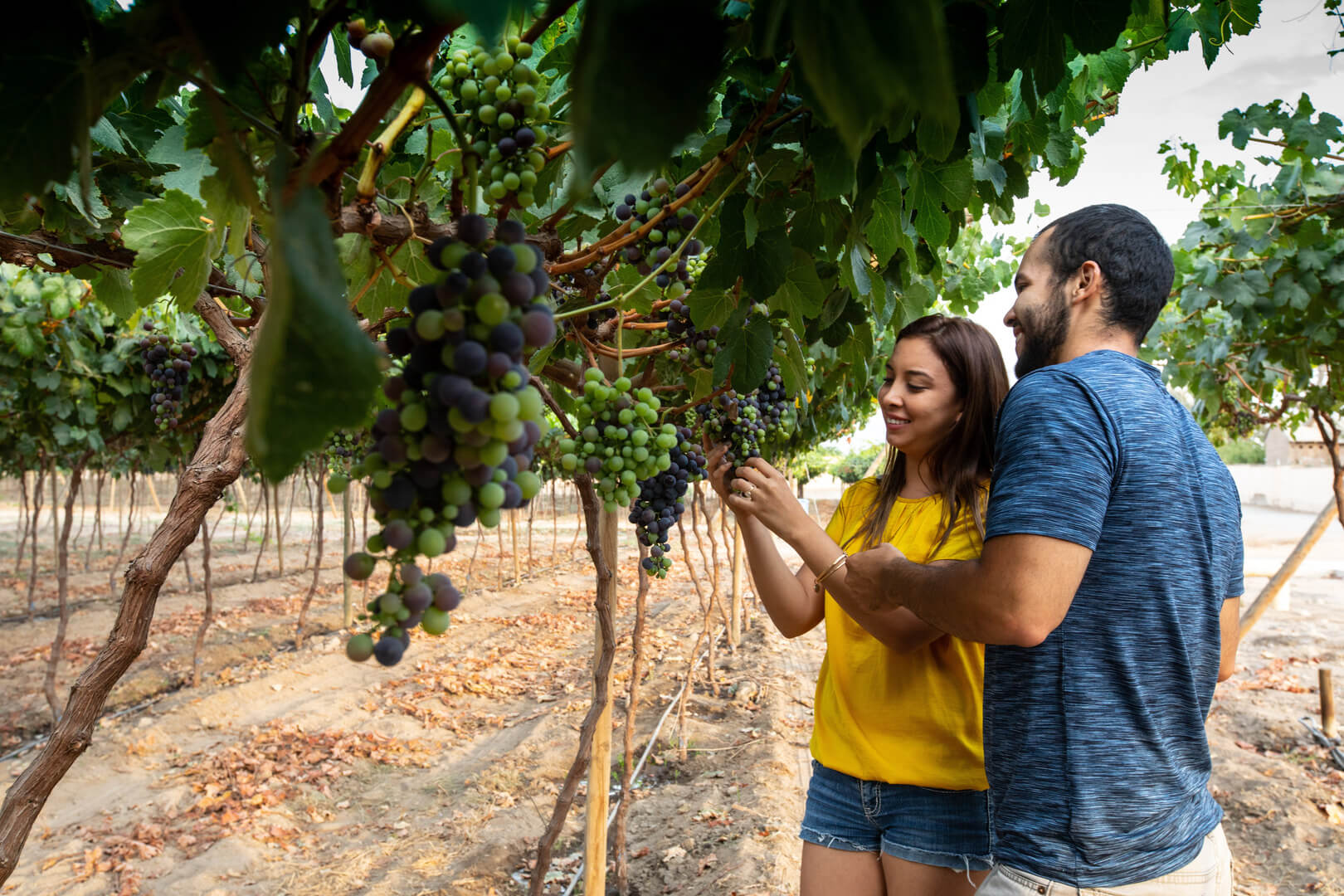
The Ica Valley is one of Peru's most important wine and Pisco regions. Bodegas combine production, history, and tastings.
Museums, the Plaza de Armas, the Señor de Luren, and nearby Cachiche show another side of the city.
Places and experiences around Ica
The most important destinations can be planned as a mix of city, desert, culture, and enjoyment.

Huacachina: the oasis just outside Ica.
Huacachina is located just a few kilometers from the city center. Palm trees, buildings, and the lagoon form a green spot in the middle of a vast dune landscape.
During the day, walks, sandboarding, and drives through the dunes are the main attractions. The late afternoon hours are particularly popular when the light softens and the desert can be surveyed from above.
Pisco and Wine: Ica in a Glass.
The fertile valleys around Ica are among the classic grape-growing regions. The Pisco Route connects several bodegas and makes the production of the Peruvian national drink understandable.
For visitors, the spectrum ranges from traditional estates to modern producers. If you are tasting, you should plan a taxi or an organized tour for your return journey.
Why Ica piques visitors' curiosity
Ica works both as a short stopover and as a base for several days.

The Dunes: Ica's Grand Stage.
Around Huacachina begins a sand landscape that defines the character of Ica. Just a few steps above the oasis, the view opens up over dunes, the city, and the valley.
Those who book a buggy tour should pay attention to reputable providers and safety equipment. For quieter hours, a walk on one of the nearby dunes is enough.
Ica City: more than just a starting point.
The city itself is worth a look. Around the Plaza de Armas, the Señor de Luren, and local museums, everyday Ica reveals itself beyond the tourist oasis.
Restaurants, markets, and shops also make the city a more practical base for travelers who want to visit several nearby destinations.
Practical Travel Tips for Ica
PeruMagazin on WhatsApp
New Peru content, travel ideas, and exciting topics directly in the channel.
Open WhatsApp ChannelIca FAQ
What is Ica known for?
Ica is primarily known for Huacachina, its desert landscape, viticulture, and Pisco. The city is also an important starting point for trips through the region of the same name.
Is Ica worth visiting?
Yes. Ica combines nature, adventure, enjoyment, and culture. The city is especially interesting for travelers who want to combine Huacachina and a Pisco bodega.
How far is Huacachina from Ica?
The oasis is located about five kilometers west of the city of Ica and can be quickly reached by taxi or mototaxi.
How many days should one plan for Ica?
For Ica, Huacachina, and a bodega, two to three days is a good timeframe. If you also plan to visit Paracas or Nazca, you should extend your trip accordingly.
Can Ica be reached from Lima?
Yes. Ica is located on the Panamericana Sur and is regularly served by intercity buses from Lima.
Related PeruMagazin Pages
The grand introduction to the country, travel planning, culture, and important topics.
Coast, Andes, Amazon, and the country's contrasting landscapes.
Seasons and regional climate differences.
Buses, flights, taxis, and traffic in the country.
Tips for daily travel, traffic, and local behavior.
Sources
- PROMPERÚ / Peru Travel: tourist information on the city of Ica, Huacachina, Pisco, and the main attractions.
- MINCETUR: Inventario de Recursos Turísticos – Plaza de Armas de Ica and other tourist resources of the city.
- Gobierno Regional de Ica: information on the city, culture, Señor de Luren, and regional travel destinations.
Image Sources
- Wikimedia Commons – „Plaza de armas de Ica.jpg“, Photo: Txolo.
- Wikimedia Commons – „Ica Cathedral.jpg“, Photo: Ingo Mehling, CC BY-SA 3.0.
- Wikimedia Commons – „Iglesia Señor de Luren.jpg“, Photo: Jonathan Marco Corredor Obispo, Creative Commons.
- Wikimedia Commons – „Casona de cabrera, esquina.jpg“.
- Wikimedia Commons – „Edifici del Club Centro Social de Ica a la Plaza de Armas.jpg“.
- Wikimedia Commons – „Plaza armas ica noche.jpg“, Photo: Oliver Etchebarne, CC BY-SA 3.0.
- Lima Tour Peru – „Ica Vineyard Landscape“: Vineyards in the Ica Valley against the desert landscape.
- Wikimedia Commons – „Part of the lagoon in Huacachina, Peru, with palms and sand dune.jpg“, Photo: Havardtl, CC BY 4.0.
- Peru Travel / PROMPERÚ – „La Ruta del Pisco en Ica“: Grapes and vineyard on the Pisco route in Ica.
- Wikimedia Commons – „Huacachina Dunes - Original Images.jpg“, Photo: Imehling, CC BY-SA 4.0.
