
Chincha Alta
Chincha Alta combines Afro-Peruvian culture, history, music, cuisine, and the fertile Chincha Valley. South of Lima, the city is a great starting point for El Carmen, the Hacienda San José, wine and Pisco traditions, as well as archaeological traces of the Chincha culture.


Chincha Alta: City of culture in southern Peru
Chincha Alta is located in the north of the Ica region and is the urban hub of the Chincha Valley. From Lima, the Panamericana Sur leads directly to the province.
The city itself is lively and bustling. Its unique charm, however, comes from its interaction with the surrounding area. El Carmen, old haciendas, wine and Pisco production, and the history of the Chincha culture are all in close proximity.
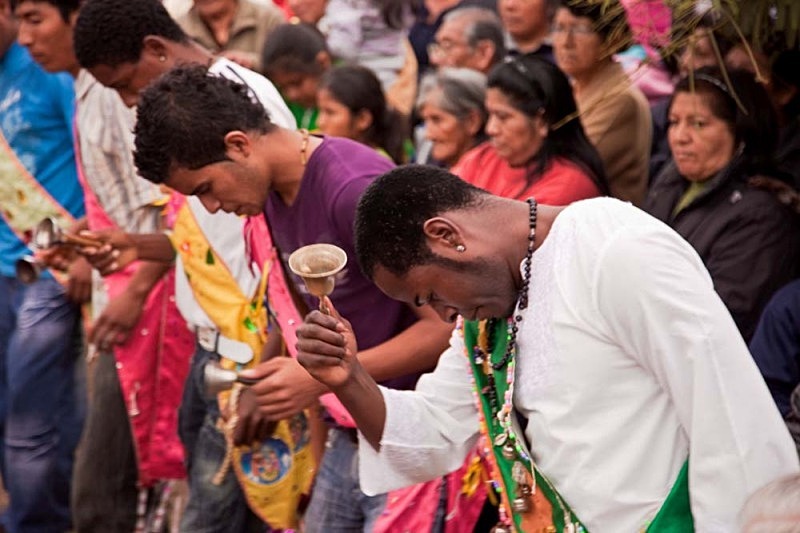
Afro-Peruvian culture in particular defines the identity of the province. Music, dance, festivals, and cuisine here are not just a tourist backdrop, but part of daily life and regional history.

Chincha sounds different than many places in Peru.
Afro-Peruvian rhythms, cajón, zapateo, local cuisine, Pisco, and the history of the Chincha Valley give the region an unmistakable character.
What makes Chincha Alta special
Those who see Chincha only as a stop on the Panamericana overlook the most interesting part. The city is the gateway to a cultural region with deep historical and culinary roots.
El Carmen and the Chincha Valley are among the most important centers of Afro-Peruvian music, dance tradition, and family history.
Long before the colonial era, the valley was the seat of a significant coastal culture with trade, agriculture, and regional power.
The valley is characterized by agriculture. Wine, Pisco, and traditional producers are classic themes of a trip to Chincha.
Carapulcra with Sopa Seca is closely linked to Chincha and is one of the dishes visitors should try here.
Places and experiences around Chincha Alta
Chincha Alta serves as a good base for short trips through the province. Culture, history, and food can easily be combined in two or three days.
Hacienda San José: History with difficult chapters
The Hacienda San José is located in the El Carmen district, about 19 kilometers from Chincha Alta. The historic complex is known for its architecture, its chapel, and its underground areas.
A serious presentation also includes the history of enslaved people whose labor shaped the colonial economic system of the haciendas. A visit should not treat this part of history as a mere backdrop.
El Carmen: Center of Afro-Peruvian culture
El Carmen is one of the most important places around Chincha. Music, dance, and family stories have special meaning here. The zapateo and Afro-Peruvian rhythms are closely linked to local culture.
The detour is also worth it for the culinary experience. Carapulcra with Sopa Seca is considered one of the characteristic combinations of the province.
Why Chincha Alta deserves a stop
Plaza de Armas: Starting point in Chincha Alta
The Plaza de Armas is the historical, civic, and social center of the city. It serves as a point of orientation and for a first impression of daily life in Chincha Alta.
From here, you can explore the city before continuing the journey to the surrounding districts and the cultural destinations of the province.
Practical travel tips for Chincha Alta
PeruMagazin on WhatsApp
New Peru content, travel ideas, and exciting topics directly in the channel.
Open WhatsApp channelFAQ about Chincha Alta
What is Chincha Alta known for?
Chincha Alta and the province are especially known for Afro-Peruvian culture, music, dance, regional cuisine, and wine and Pisco traditions.
Is Chincha Alta worth it for travelers?
Yes. The city is particularly interesting as a starting point for El Carmen, the Hacienda San José, archaeological sites, and culinary excursions.
How many days should you plan?
About two days are enough for the city and one excursion. Three days are more comfortable for multiple destinations in the valley.
What should you eat in Chincha?
One of the most famous regional dishes is Carapulcra with Sopa Seca. In addition, there are local wine and Pisco products.
What is nearby?
El Carmen, Hacienda San José, Grocio Prado, Sunampe, and archaeological sites in the Chincha Valley are important excursion destinations.
Related PeruMagazin pages
Country, travel planning, and culture.
Coast, Andes, and Amazon.
Seasons and regional differences.
Buses, flights, taxis, and rental cars.
Tips for everyday travel.
Further destinations for travel planning.
Sources
- Municipalidad Provincial de Chincha: Tourist information and Plaza de Armas – chincha.pe / municipalidadchincha.gob.pe
- MINCETUR: Inventory of Tourism Resources – Chincha, Hacienda San José, Grocio Prado, and Huáncor
- Wikimedia Commons: Plaza de Armas de Chincha, Chixoy, Public Domain
- Wikimedia Commons: Hacienda San José, Chincha, Luxlumine, Public Domain
- Wikimedia Commons: Chincha Plaza de Armas e Iglesia, Beverunger, CC BY-SA 3.0
- Lima Gris: Photo of Huaca La Centinela in Chincha
- Wikimedia Commons: Melchora Saravia Tasayco, Grocio Prado, Chincha, Ica 05 – Guillermo Carlos Gómez, CC BY-SA 4.0
- Angie Keller: Photo of Afro-Peruvian culture in El Carmen
- Mas Destinos: Photo of a vineyard in Chincha
