Ayacucho
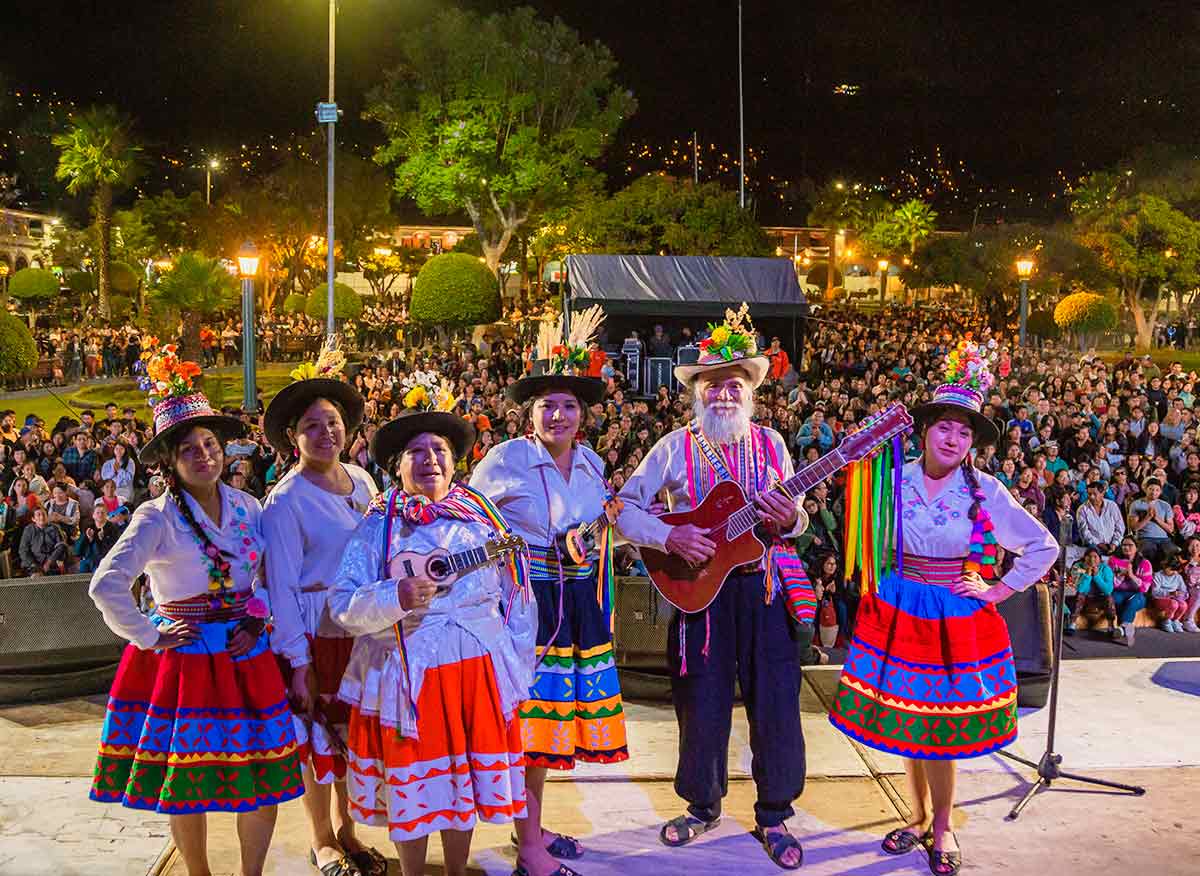
Ayacucho combines colonial architecture, vibrant Andean culture, crafts, and great history. Surrounding the old city of Huamanga are Wari, Quinua, and the Pampa de Ayacucho – places where pre-Hispanic cultures, the history of independence, and the everyday life of the Peruvian highlands meet.


An Andean city with an unusual amount of history.
Ayacucho is located in the southern highlands of Peru and is the capital of the region of the same name. To this day, the city is often associated with its historical name, Huamanga.
In the center, churches, stone arcades, squares, and colonial houses define the cityscape. At the same time, Ayacucho is not just a backdrop. Markets, university life, workshops, and street vendors make the old town a vibrant part of everyday life.
The surrounding area significantly expands the visit. Just a few kilometers outside lie the remains of Wari, while Quinua and the Pampa de Ayacucho are directly linked to the history of South American independence.
Ayacucho is more than just churches and colonial architecture.
Wari, retablos, ceramics, Semana Santa, Quinua, and the Pampa de Ayacucho give the city a cultural density that extends far beyond its historic center.
What makes Ayacucho special
The strength of Ayacucho lies in its combination of different eras. Pre-Hispanic history, the colonial period, independence, and contemporary Andean culture are unusually close together here.
The Plaza Mayor, its arcades, colonial houses, and numerous churches define the center of Ayacucho.
The Wari archaeological complex commemorates one of the most important Andean cultures long before the Inca Empire.
Retablos, ceramics, and works made of Piedra de Huamanga are among the region's best-known craft traditions.
The Pampa de Ayacucho near Quinua is the site of the decisive battle of December 9, 1824.
Places and experiences around Ayacucho
Ayacucho works especially well when both the city and the surrounding area are planned together. Many important destinations are close enough for day trips.
Wari: a capital before the Incas.
The Wari archaeological complex is located about 22 kilometers northeast of Ayacucho. The site was part of the political and religious center of a culture whose influence extended over large parts of the central Andes.
For visitors, Wari adds a crucial pre-Inca era to the history of Peru. Walls, ceremonial areas, and archaeological findings show that a significant urban center existed here long before the rise of Cusco.
Quinua and the Pampa de Ayacucho.
Quinua lies northeast of the city and is known for its ceramics and its traditional townscape. Even more important for history is the neighboring Pampa de Ayacucho.
It was here on December 9, 1824, that the Battle of Ayacucho took place. It became a decisive military event in the South American independence movements. Today, a large obelisk commemorates the battle.
Why Ayacucho makes visitors curious
The city can be explored on foot, but its history does not end at the edge of the old town. It is precisely this mix that makes Ayacucho interesting for several days of travel.
Retablos: Ayacucho tells its story in small scenes.
Ayacuchan retablos are among the most famous handicrafts in Peru. In small, mostly painted boxes, worlds of figures emerge, depicting religious motifs, festivals, scenes of daily life, and regional history.
Those who visit workshops quickly realize that these works are more than just souvenirs. They combine family knowledge, design, and regional narrative traditions.
Plaza Mayor: the best starting point.
The Plaza Mayor is located in the center of the historic city. Arcades and buildings from different centuries form an enclosed urban space that is as functional during the day as it is in the evening.
From here, the cathedral, churches, mansions, restaurants, and many central streets are easily reachable on foot. For your first day in Ayacucho, the plaza is therefore the natural orientation point.
Acuchimay: Ayacucho from above.
The Mirador de Acuchimay is located south of the center and offers a wide view over the city. From here, Ayacucho’s location in an Andean basin framed by mountains is particularly clear.
The lookout point is suitable for a quick detour when you are looking for a different perspective of the city after visiting the old town, museums, and churches.
Practical travel tips for Ayacucho
PeruMagazin on WhatsApp
New Peru content, travel ideas, and exciting topics directly in the channel.
Open WhatsApp channelFAQ about Ayacucho
What is Ayacucho known for?
Ayacucho is known for its colonial old town, numerous churches, Semana Santa, retablos, and other craft traditions. In the surrounding area, there are also Wari, Quinua, and the Pampa de Ayacucho.
Is Ayacucho worth it for visitors?
Yes. The city combines architecture, history, handicrafts, and important excursion destinations in a small area. Ayacucho is especially interesting for travelers who want to get to know the Peruvian highlands beyond the classic Cusco route.
What are the most important excursions from Ayacucho?
Wari, Quinua, and the Pampa de Ayacucho are among the most important destinations near the city. With more time, Vilcashuamán and other regional destinations can be added.
How high is Ayacucho?
The center is at an altitude of approximately 2,750 meters. The altitude is noticeable but lower than in many popular places around Cusco and Lake Titicaca.
How many days should be planned for Ayacucho?
For the city, Wari, Quinua, and the Pampa de Ayacucho, three to four days is a good timeframe. Anyone wishing to travel further into the region should plan for extra days.
Related PeruMagazin pages
A comprehensive introduction to the country, travel planning, culture, and key topics.
Coast, Andes, Amazon, and the country’s landscape contrasts.
Seasons, coastal climate, Andean weather, and Amazon humidity.
Flights, buses, taxis, rental cars, and traffic in the country.
Advice on daily travel life, traffic, natural hazards, and local conduct.
Historical sites, natural destinations, and special places in Peru.
Sources
- PROMPERÚ / Y tú qué planes?: Travel information on Ayacucho and its tourist destinations.
- MINCETUR: Inventory of Tourist Resources, including the Plaza Mayor, Wari, and Quinua.
- Regional Government of Ayacucho: Information on Wari, Pampa de Ayacucho, Vilcashuamán, and regional sights.
Image Sources
- Plaza Mayor de Ayacucho – Photo: Pollinhhsano – Source: Wikimedia Commons – License: CC BY-SA 4.0.
- Catedral de Ayacucho – Photo: Guillermo Carlos Gómez – Source: Wikimedia Commons – License: CC BY-SA 4.0.
- Complejo Arqueológico Wari – Photo: Rodrigo Alomía Díaz – Source: Wikimedia Commons – License: CC BY-SA 4.0.
- Obelisk Battle of Ayacucho and Sucre – Photo: Christian Mehlführer (Chmehl) – Source: Wikimedia Commons – License: CC BY-SA 3.0.
- Mirador del Cerro Acuchimay – Photo: Fer121 – Source: Wikimedia Commons – License: CC BY-SA 3.0.
- Retablo6-Ayacucho – Photo: Jack Child – Source: Wikimedia Commons – License: Public Domain.