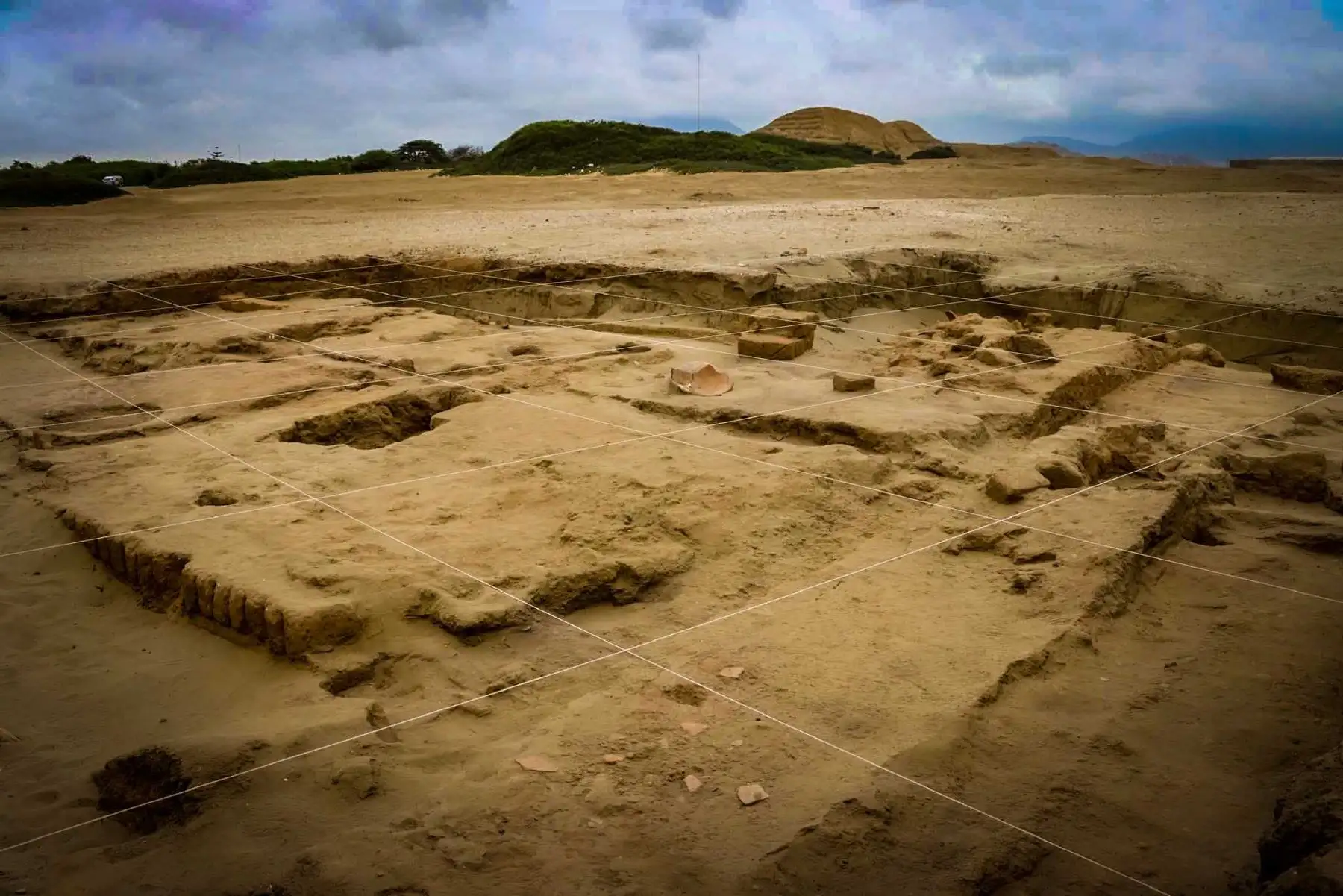
Archaeologists have unearthed the tomb of a child, approximately one and a half years old, at the Huacas de Moche Archaeological Complex near Trujillo. The burial was discovered in the southern part of the urban core of the former Moche settlement. The find provides new insights into burial rituals and daily life approximately 1,500 years ago.
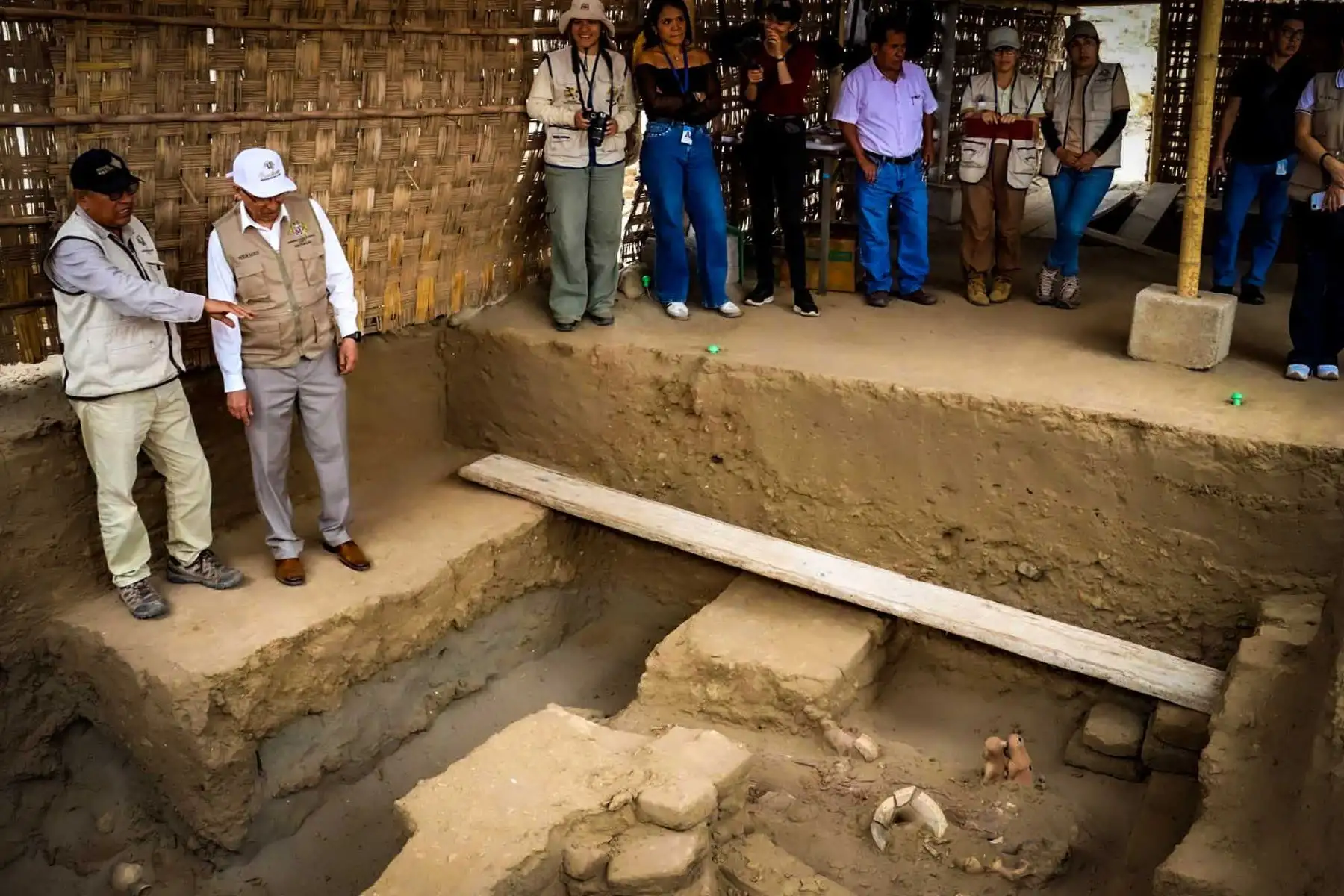
According to the Agencia Andina, the burial was found in the so-called Architectural Complex 61. The child was laid with its head facing south and legs to the north. The exact location of the find is particularly important for archaeologists because the tomb is located within a former residential and urban area and not in a separate cemetery.
Grave Goods: Pipes, Rattle, and a Sculptural Vessel
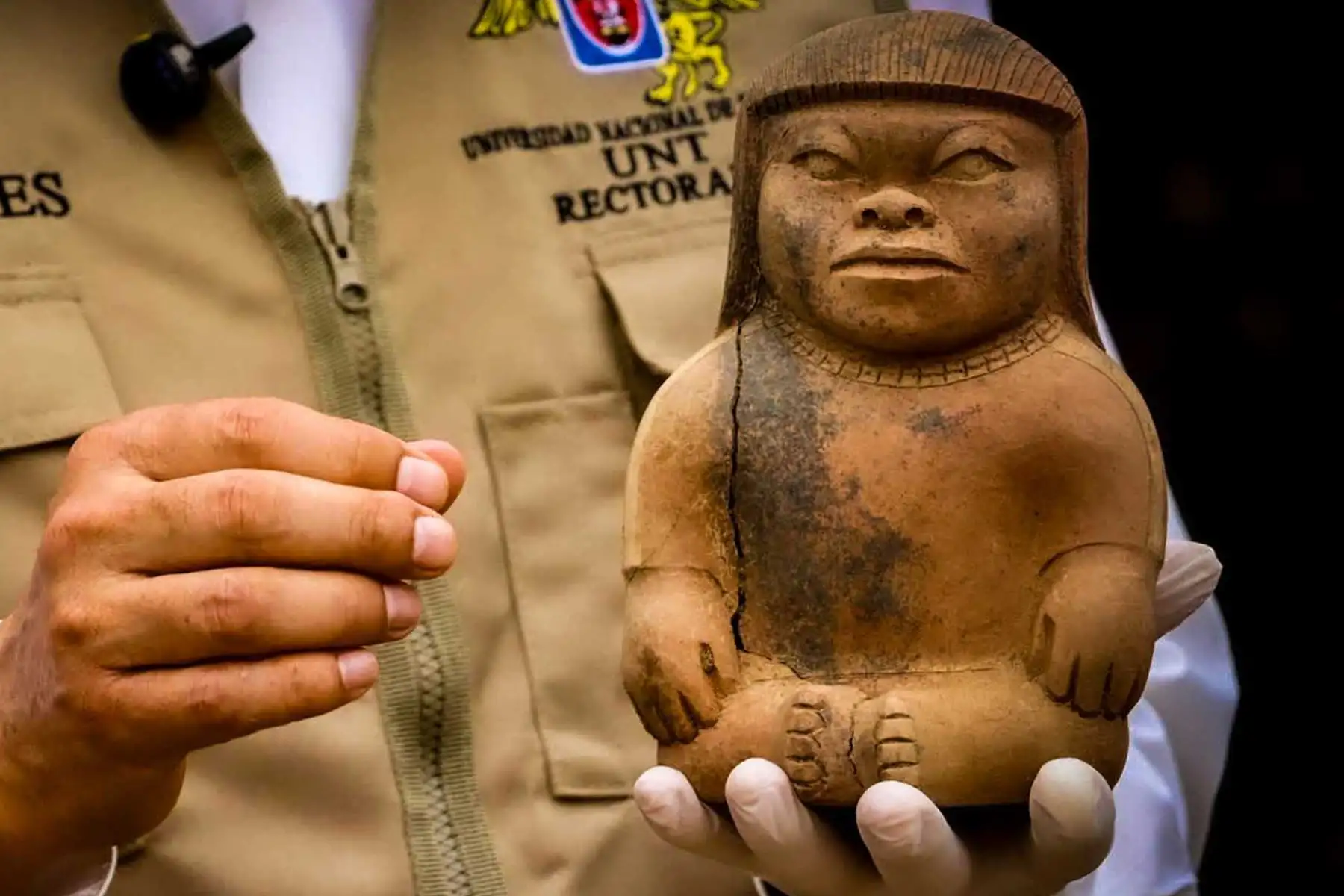
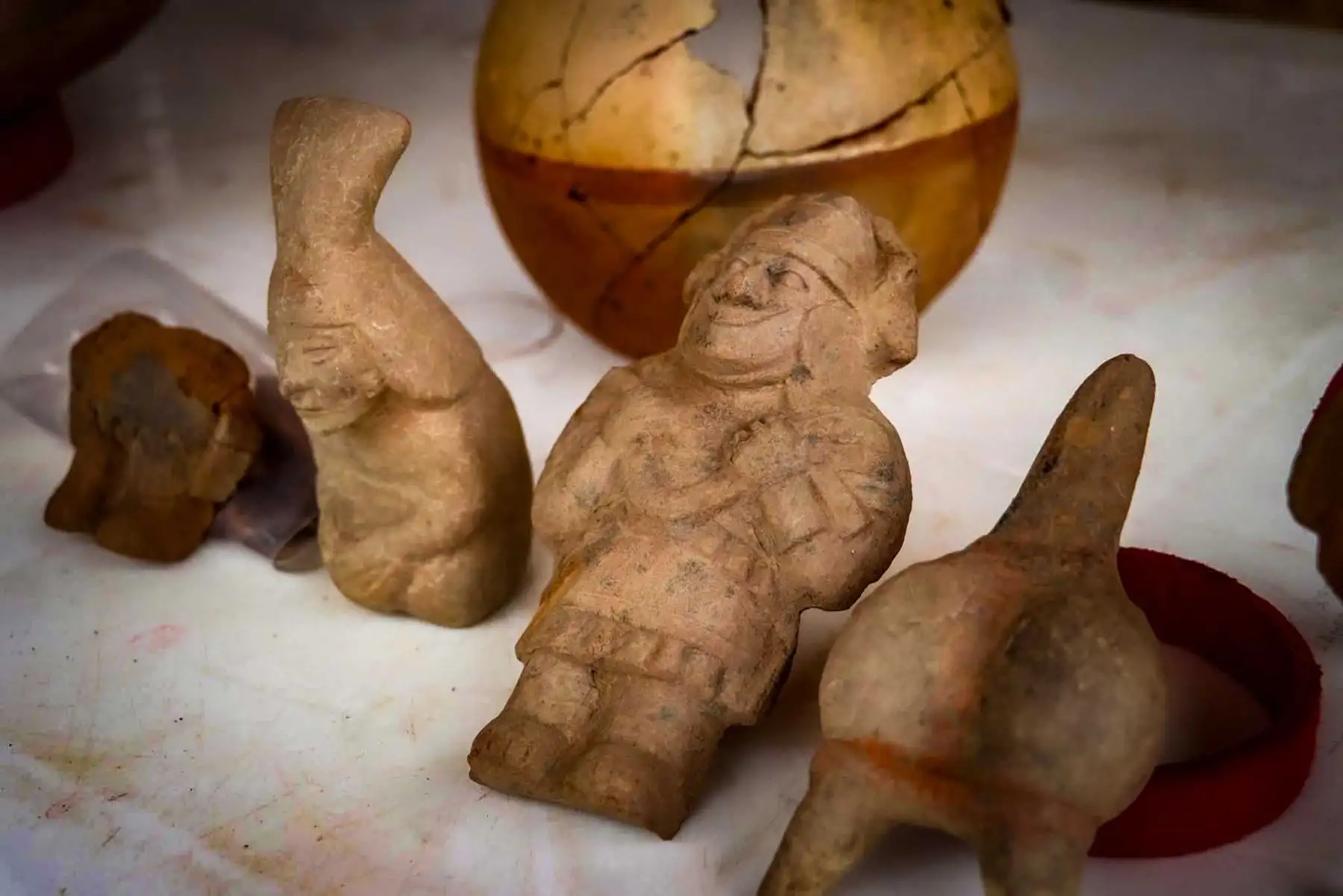
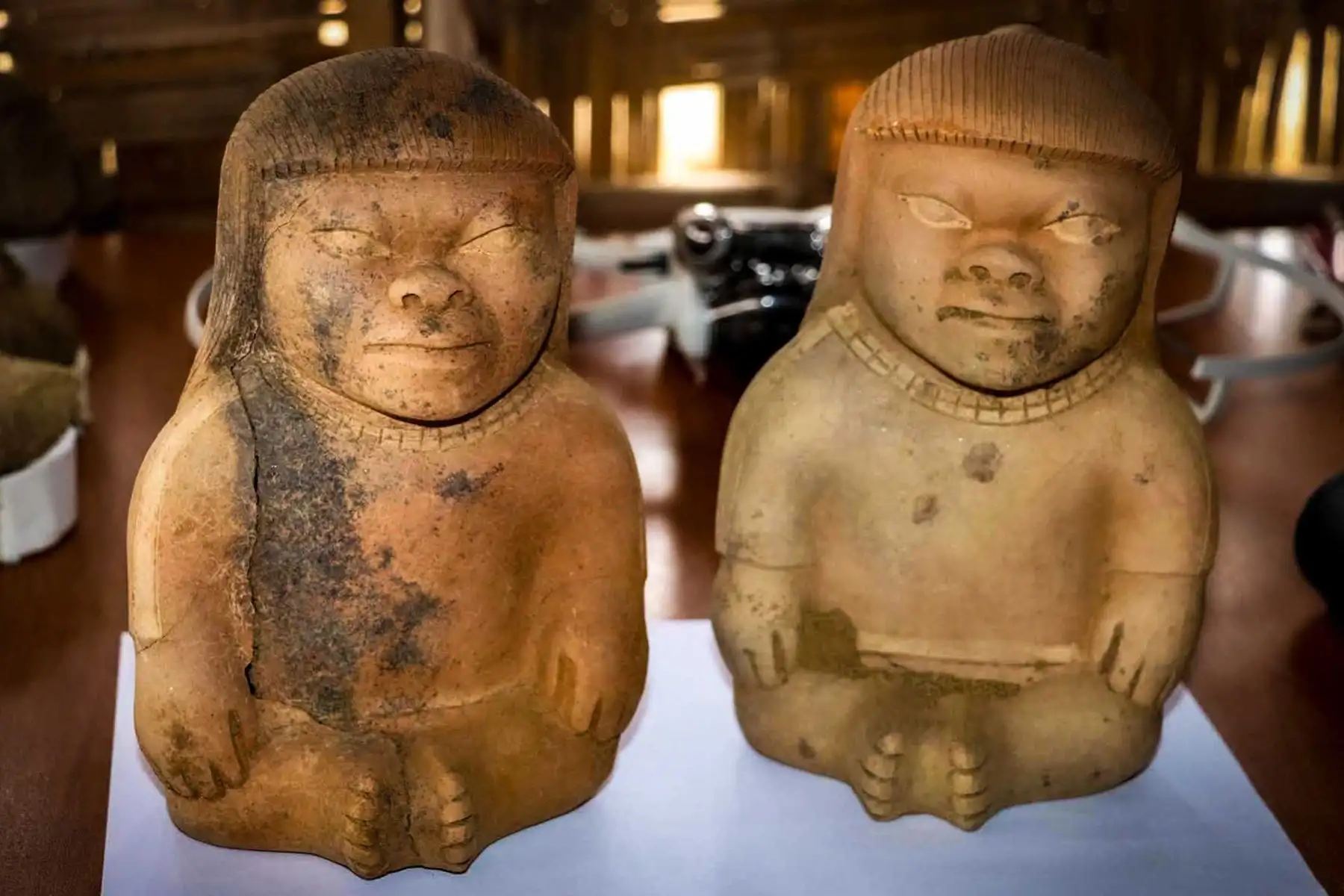
Along with the human remains, researchers found two pipes, a rattle, and a sculptural ceramic vessel. Other household vessels were associated with the abandonment of the room at the time. The artifacts can help to reconstruct ritual practices and the use of this urban area more accurately.
Find in the Middle of the Former Urban Area
Ongoing work focuses on the southern sector of the urban center. There, researchers are investigating how people lived, worked, and buried their dead between the large ceremonial buildings. Archaeologist Jermi Mejía López explained the significance of the find's location to Andina. The project is led by Carlos Rengifo.
The Huacas de Moche are located south of Trujillo at the foot of Cerro Blanco. The archaeological complex includes the Huaca del Sol, the Huaca de la Luna, and the former urban area between them. The site is one of the most important research sites of the Moche culture on the Peruvian North Coast.
What the Offerings Can Reveal
The grave goods are particularly interesting for research because they were directly associated with the child's burial. Their exact meaning can only be determined through further scientific investigation. Material, location, and design can provide clues about Moche burial practices and religious beliefs.
The find thus complements the picture of Moche culture beyond its monumental temple complexes. While the Huaca de la Luna is primarily known for its colorful reliefs and ceremonial spaces, excavations in the urban area provide information about the daily life of the population.
Excavations Continue
The archaeological project is supported by the Universidad Nacional de Trujillo and operates within the framework of permits from the Peruvian Ministry of Culture. The current research program includes investigations, conservation, and the scientific processing of the complex.
For northern Peru, the find is also interesting because it shows that significant discoveries are still possible at a site that has been intensively studied for decades. Trujillo and the Moche Valley have an exceptionally high density of archaeological sites.
Photo Gallery: Find in the Huacas de Moche
Sources and Image Credits
- Agencia Andina – Report on the child's grave in the Huacas de Moche, August 19, 2026.
- Agencia Andina – Photo gallery of the find, Photos: Luis Puell, August 19, 2026.
- Proyecto Arqueológico Huacas de Moche – official project profile.
- Universidad Nacional de Trujillo – Huacas de Moche Research Program 2024–2026.
Image credit: Agencia Andina / Luis Puell. All six photos in the photo gallery are from the Andina photo gallery dated August 19, 2026.