Lima, Peru as an entry point to the capital
Lima, Peru is the first point of contact with the country for many travelers. The city is located directly on the Pacific Ocean and can seem large, loud, and sometimes overwhelming upon a first visit. Yet, this is exactly what shows a very authentic side of Peru.
Many visitors travel on to Cusco or Machu Picchu after a short time. In doing so, the capital is often viewed merely as a place of arrival, even though it has much more to offer. Those who take some time will quickly recognize its unique mix of history, big-city life, and coastal setting.
This destination is not a polished place for perfect postcard pictures. The metropolis feels lively, contradictory, and sometimes exhausting. It is precisely this mix that makes a stay exciting.
History of Lima, Peru
The city was founded by the Spanish in January 1535 under Francisco Pizarro. Afterward, the location developed into an important center for the Spanish colonial power in South America. This past continues to shape the cityscape today.
This influence is particularly evident in the Old Town. Around the Plaza Mayor stand the cathedral, the Government Palace, and other significant buildings. Narrow streets, wooden balconies, and old churches define the atmosphere there.

The historical core is a UNESCO World Heritage site and ranks among the most important historical areas of Peru. It does not feel like a closed-off museum. Rather, the past remains a part of daily life there.
Why the Old Town is important
The Old Town connects colonial architecture with Peruvian urban history. A tour reveals squares, facades, and buildings of great significance.
You can find more background on the country on the Peru Overview page. There, Peru as a travel destination and cultural land is categorized more broadly.
Lima, Peru does not tell a simple story. The city displays power, trade, religion, and cultural mixing in a small space. A closer look behind the beautiful facades is therefore particularly worthwhile.
City districts with very different characters
The Peruvian capital consists of many very different districts. Each area shows a different side and significantly changes one's impression. A single district is therefore not enough to understand the metropolis.
Miraflores is one of the best-known districts for visitors. Parks, restaurants, hotels, and the proximity to the Pacific make this area particularly popular. The promenade along the cliffs is one of the most lasting impressions of the city.

Barranco feels more creative and relaxed. Old houses, small cafés, galleries, and street art define the scene there. San Isidro, by contrast, shows more of the economic side with offices, banks, and well-kept green spaces.
Between coast and big city
The location on the Pacific shapes the attitude to life in many districts. Cliffs, parks, and promenades create a strong contrast to the traffic.
The cultural diversity fits well with the Culture of Peru page. That page is about the everyday life, traditions, and identity of the country.
Sights in Peru
All sightsYou can find further information via "All sights".
Eating in Lima, Peru
The cuisine is one of the most important reasons for a longer stay. Lima, Peru is considered the culinary center of the country and an important food destination in South America. Many dishes show how strongly different cultures have shaped the city.
Peruvian ingredients meet Spanish, African, Chinese, and Japanese influences here. Ceviche is among the most famous dishes. Fresh fish is served with lime juice, onions, chili, and other ingredients.
Lomo Saltado shows the connection between Peruvian and Asian-influenced cuisine. Anticuchos are also a permanent part of the street food scene. Accompanying drinks such as Chicha Morada and Pisco Sour are perfect fits.
Culture, museums, and art
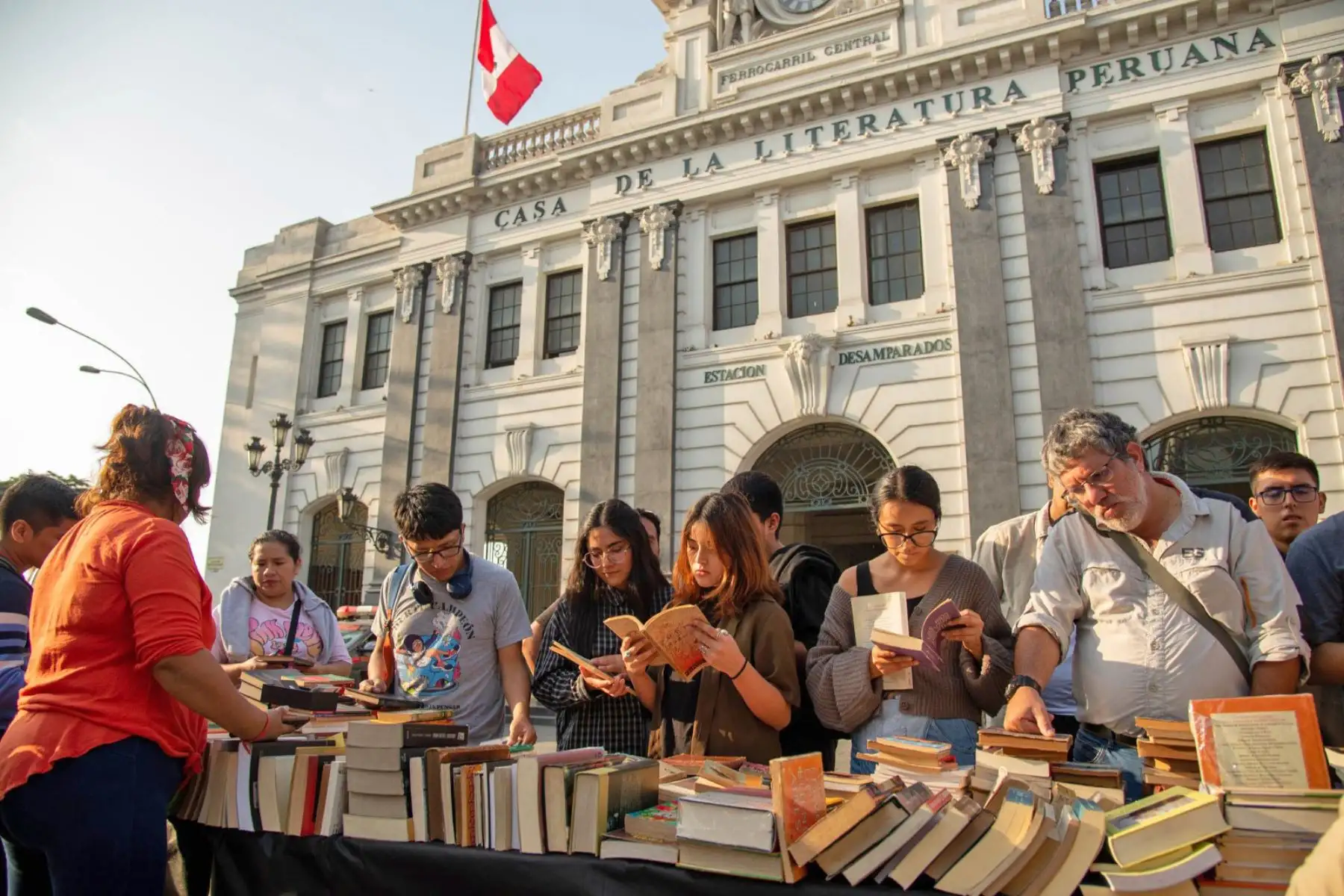
The metropolis possesses a strong museum landscape and a vibrant art scene. Particularly important is the focus on pre-Columbian cultures and colonial history. This makes Peru easier to understand beyond quick travel snapshots.

The Museo Larco displays several thousand years of the history of ancient Peru. Its collection makes many developments from before the Inca era clear. The Museo de Arte de Lima showcases art from various epochs and connects the past with the present.
Culture in everyday life
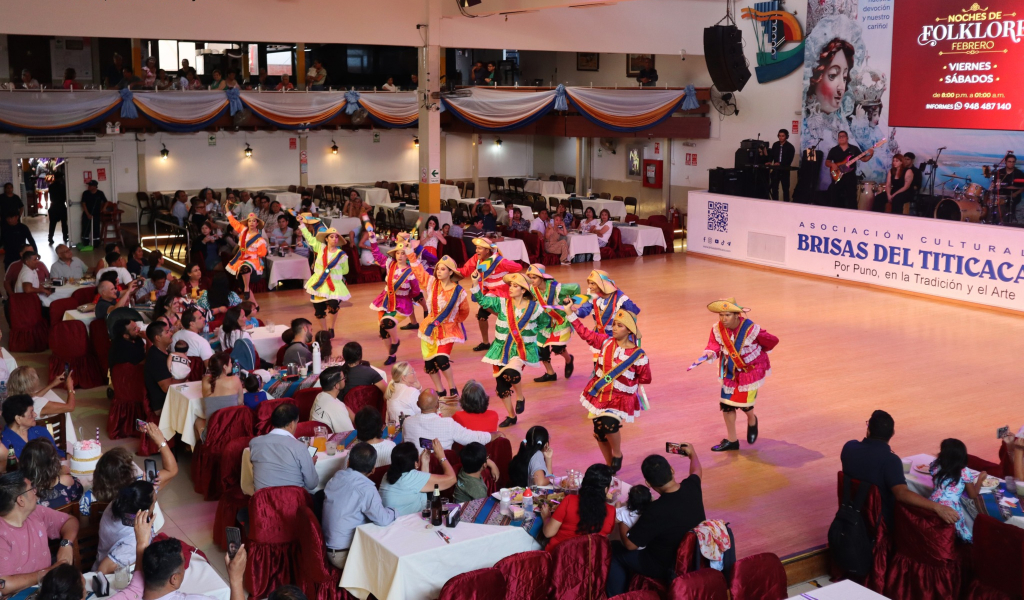
Culture does not only take place in museums. Music, markets, food, and family life are just as much a part of the city image.
Those interested in Inca topics will find suitable basics on Inca Mythology and Inca Gods.
Barranco in particular shows the creative side of the capital very clearly. Things often feel more laid-back there than in the busy center. Art, music, and photo opportunities provide many strong impressions.
Current news from Peru
All newsYou can find further information via "All news".
Nature and coast around Lima, Peru
The nature around the capital seems dry at first glance. However, that is misleading, because the coast offers many unique landscapes. The steep coast of Miraflores is among the most well-known areas.
There, one sees surfers, walkers, and paragliders over the Pacific. Special natural areas lie in the wider surroundings. The Lomas de Lachay show a surprisingly green desert landscape during certain months.
Day trips into the surrounding area are also possible from the city territory. This makes the place not just a point of arrival, but also a starting point for further impressions in Peru.
How long should you stay in Lima, Peru?
Two days are only enough for a very brief first impression. Three to four days make much more sense for most travelers. Then there is time for the Old Town, Miraflores, Barranco, museums, and good food.
The cuisine should not be dealt with between the airport and a connecting flight. Those who travel slowly understand the city better. Peru's capital is not always comfortable, but almost always interesting.
The stay demands attention and rewards it with many strong impressions. This is precisely why this place should not be considered just a stopover.
Events in Peru
To the calendarYou can find further information via "To the calendar".
More Peru in the PeruMagazin
These internal pages fit thematically with Lima, Peru and provide useful further reading. The links help with travel planning and put Peru into better perspective.
Peru OverviewBasics, travel feeling, and important topics regarding Peru. Culture of PeruTraditions, everyday life, and cultural diversity of the country. CuscoThe historic Andean city as a strong contrast to the capital. Machu PicchuThe famous Inca site and a classic of any Peru trip. Inca MythologyMyths, worldviews, and stories from the Andean world. Inca GodsGods, natural forces, and religious concepts of the Incas. Pisco SourPeruvian classic for those who also like culture in a glass. Chicha MoradaA traditional drink made from purple corn. Inti RaymiThe well-known sun festival and its cultural significance.Frequently asked questions about Lima, Peru
Does a longer stay make sense?
Yes, especially for history, cuisine, museums, and coastal views, more time is worthwhile. The city shows a versatile side of Peru.
Which districts are interesting for visitors?
Miraflores, Barranco, and the historic Old Town are particularly interesting for many travelers. Each area shows a different side of the capital.
What should you eat there?
Ceviche, Lomo Saltado, Anticuchos, and Peruvian desserts are among the typical recommendations. Chicha Morada is also a perfect pairing.
How many days make sense?
Three to four days offer enough time for districts, museums, cuisine, and initial excursions. A single day is usually too short.
Why is the city often underestimated?
Many travelers plan it only as a point of arrival before Cusco or Machu Picchu. As a result, the capital often remains undervalued.
UNESCO World Heritage Centre: Historic Centre of Lima
Museo Larco: Information on the collection and history of ancient Peru
Museo de Arte de Lima: Information on the art collection and exhibition history
Official tourist information on Miraflores, Barranco, and Peruvian cuisine