Tacna in Peru
Border city in southern Peru: history, return to Peru, desert climate, sights, viticulture, trade, and practical tips.

Tacna at a glance
Tacna is located in the southernmost part of Peru, near the border with Chile. The city is the capital of the Tacna region and one of the most important places in the southern border area of the country.
Tacna is less famous than Lima, Cusco, or Lake Titicaca. However, the city shows a different side of Peru: border trade, national memory, dry landscapes, viticulture, markets, and a quieter city life.
Content
Location and Geography
Tacna is located in the Caplina Valley between the coastal desert and the Andean foothills. The city is only a few kilometers from Chile. This location continues to shape its history, economy, and daily life.
The surroundings are dry, bright, and vast. Those who associate Peru only with rainforest, highland terraces, or green valleys will experience a different picture in Tacna: desert, clear sun, barren hills, and a very open sky.
Many people travel from northern Chile to Tacna to shop, use medical services, or visit relatives. This makes the city vibrant, but not as touristy as other destinations in Peru.
History of Tacna
The region was settled long before the Spanish colonial period. Aymara communities, local cultures, and later the Inca Empire shaped routes, agriculture, and exchange between the highlands, valleys, and coast.
During the colonial era, Tacna gained importance through agriculture, trade, and its proximity to the port of Arica. Arica and Tacna were historically closely linked, even though they are now in different countries.
Tacna became particularly important in connection with the Saltpeter War, also known as the War of the Pacific. After the Treaty of Ancón in 1883, Tacna and Arica were under Chilean administration. The final solution came only in 1929 with the Treaty of Lima: Tacna returned to Peru, Arica remained with Chile.
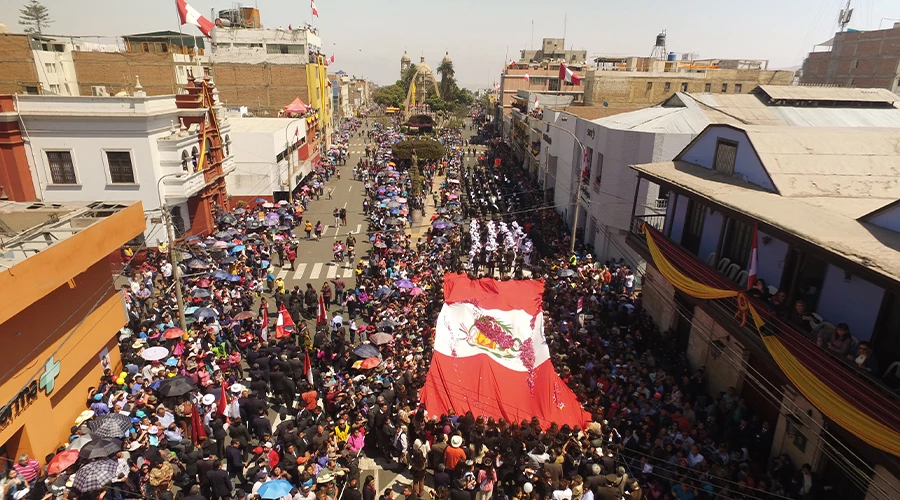
August 28th is therefore a central day of remembrance in Tacna. The Reincorporación de Tacna, the return of Tacna to Peru, remains a strong element of local identity to this day.
Why Tacna is important for Peru
Tacna is not just a border city. In Peru, it stands for remembrance, resistance, loss, and return. This significance is clearly visible in monuments, ceremonies, and public spaces.
The city bears the nickname Ciudad Heroica, heroic city. This sounds grand, but it fits Tacna's self-perception. Many places in the city do not just tell history incidentally, but deliberately place it at the center.
Sights in Tacna
Paseo Cívico and Cathedral
The central area of Tacna is often referred to as Paseo Cívico. There you will find the cathedral, the historic fountain, the Arco Parabólico, and important public buildings. Many visitors still speak of Plaza de Armas, but usually mean this central urban space.
Tacna Cathedral dominates the cityscape. Its bright facade and location on the main square make it a good starting point for a tour.
Arco Parabólico
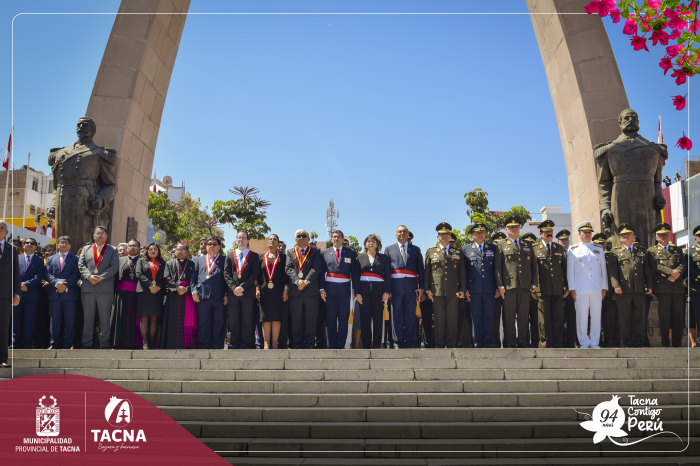
The Arco Parabólico is one of Tacna's most famous landmarks. It commemorates Peruvian heroes and stands in the middle of the city's civic center. For Tacna, it is more than just a photo opportunity: it is a symbol of national remembrance.
Campo de la Alianza
Campo de la Alianza is located outside the city center and is one of the most important historical sites near Tacna. A fierce battle of the War of the Pacific took place there in 1880, in which Peruvian and Bolivian troops fought against Chile.
Today, a monumental area and museum commemorate these events. If you really want to understand Tacna, you should definitely plan to visit Campo de la Alianza.
Museo Ferroviario
The Railway Museum shows the importance of the connection between Tacna and Arica. The railway line is closely linked to trade, border history, and mobility in the south.
Casa de Zela
The Casa de Zela commemorates Francisco Antonio de Zela and the early independence movements in Peru. It shows that Tacna's historical significance is not only linked to the War of the Pacific.
Miculla, Calientes and Excursions from Tacna
The archaeological complex of Miculla is located east of Tacna in the Pachía district. The area is known for numerous petroglyphs, rock carvings in a dry, open landscape.
The rock carvings show people, animals, and symbolic forms, among other things. The surroundings appear quiet and rugged. It is precisely this barren landscape that makes Miculla impressive.
Another popular stop is the Baños Termales de Calientes. The hot springs are also located in the excursion area east of the city and fit well into a half-day itinerary.
| Destination | Why it's worth it | Note |
|---|---|---|
| Campo de la Alianza | Key historical site for Tacna. | Best to visit with background knowledge. |
| Miculla | Petroglyphs, desert landscape and archaeology. | Take sunscreen and water. |
| Calientes | Hot springs and relaxation. | Can be combined well with Miculla. |
| Pocollay and Pachía | Valle Viejo, churches, wineries, and local excursion destinations. | Interesting for wine, Pisco and quiet half-day excursions. |
Climate and best travel time
Tacna has a very dry desert climate. Rain is rare, sun and clear brightness dominate daily life. Temperatures are often pleasant, but the UV radiation should not be underestimated.
Basically, Tacna can be visited all year round. Mornings and late afternoons are particularly good for city walks. At midday, the sun can be harsh, even if the air does not feel extremely hot.
A light jacket is useful in the evening. The dry air means that temperature changes can feel more intense.
Economy, border trade and Zona Franca
Tacna's economy is closely linked to the border. Trade, services, shopping tourism and traffic to Chile play a major role.
Also important is the Zona Franca de Tacna, often called Zofratacna. Duty-free goods are traded there. This area is particularly relevant for visitors from Chile and for the regional economy.
In addition to trade and services, there is agriculture, viticulture, Pisco production and local gastronomy. Tacna therefore lives not only from border traffic, but also from its regional production.
Food, Wine and Pisco in Tacna
Tacna's cuisine is Southern Peruvian, hearty and regionally influenced. Typical dishes include substantial meals with meat, corn, potatoes, cheese, herbs and broths. Due to its proximity to the coast, fish and seafood also play a role.
Tacna is also known for its wine and Pisco. In the Valle Viejo around Pocollay, Calana and Pachía, there are traditional wineries and bodegas. Those interested in Peruvian beverages can easily combine Tacna with the topic of Pisco Sour.
You can also find Chicha Morada, Ceviche and Lomo Saltado in Tacna. However, regional restaurants that offer more than just standard dishes for travelers are particularly exciting.
Culture and Festivals
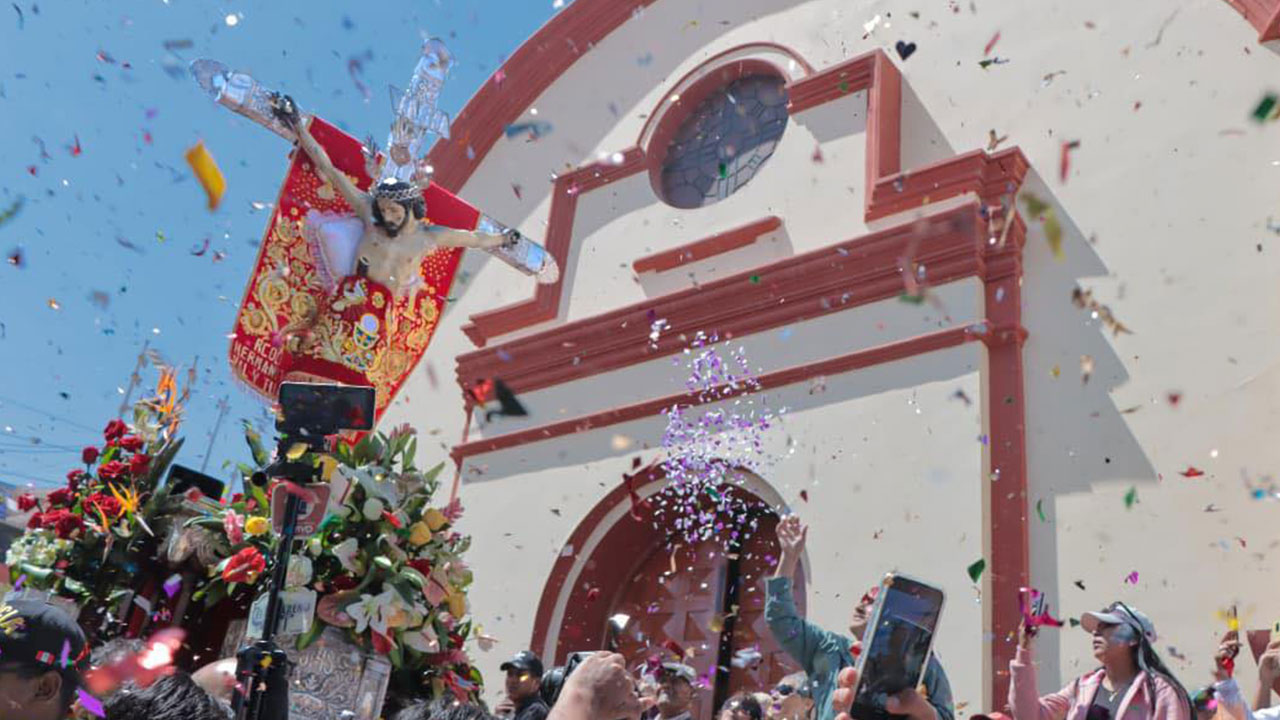
The most important date in Tacna's calendar is August 28. On this day, the return of Tacna to Peru is celebrated. Parades, ceremonies, flags, and public events show how deeply this date is embedded in the city.
Also well-known is the Fiesta de la Vendimia, which is associated with viticulture, regional products, and celebration traditions. Tacna shows a more pleasurable side in addition to its serious culture of remembrance.
Practical planning for Tacna
Two days are enough for the city center, Campo de la Alianza, and an excursion to Miculla or Calientes. Three days are more relaxed if wine, markets, and quiet walks are also planned.
Tacna can be easily combined with Arequipa, Moquegua, or a route towards Chile. For larger Peru itineraries, the city is particularly interesting if you want to see southern Peru beyond the most famous places.
Other useful pages for planning are Transport in Peru, Climate in Peru, Safety in Peru and Packing list Peru.
Who is Tacna suitable for?
Tacna is worthwhile for travelers who want to understand Peru not only through its most famous images. The city is historically strong, geographically different, and closer to everyday border life than many classic travel destinations.
Those who like markets, history, regional cuisine, dry landscapes, and less crowded places will find plenty to explore in Tacna. Those who are only looking for spectacular postcard motifs might move on more quickly.
Matching products from the PeruMagazin shop
For Tacna, products that playfully convey Peru's history, identity, and narrative world are particularly suitable.
Perusina & Perusino: Gods with Superpowers
The Inca Edition for everyone who wants to not only travel to Peru, but also get to know its stories and characters better.
To the productPerusina as a building block figure
A small Peru figure for collectors, children and everyone who wants to make Peru visible at home too.
To the productPerusino as a building block figure
Cheeky, loud and suitable as a small reminder of Peru trips, stories and family adventures.
To the productPerusina: the magical pyramid cube
A playful Peru product for little explorers and big fans of Peruvian motifs.
To the productPeru questions via WhatsApp?
Are you planning a trip to Peru and are unsure about the route, safety, climate or travel time? Then get direct tips and practical assessments.
Open WhatsAppFAQ about Tacna
What is Tacna known for?
Tacna is known for its role in Peruvian history, border trade with Chile, Campo de la Alianza, the Arco Parabólico, viticulture, Pisco, and excursions to Miculla.
Why is August 28th important in Tacna?
August 28th celebrates Tacna's return to Peru. Following the 1929 Treaty of Lima, Tacna rejoined Peru, while Arica remained with Chile.
Is Tacna worth visiting for travelers?
Yes, especially for travelers interested in history, border regions, markets, regional cuisine, and lesser-known places in Peru.
How many days should one plan for Tacna?
Two days are sufficient for the city center, Campo de la Alianza, and one excursion. Three days allow for a more relaxed pace if Miculla, Calientes, or wineries are included.
Is Tacna very hot?
Tacna is dry and sunny. Temperatures are often pleasant, but the sun is strong. Sun protection and water are important.
Can Tacna be combined with Arequipa?
Yes. Tacna can be easily combined with Arequipa, Moquegua, or onward travel to Chile.
What is Miculla?
Miculla is an archaeological complex near Tacna with numerous petroglyphs in a dry desert landscape.
Sources
Sources collected at the end, without web addresses in the main text.
- Encyclopaedia Britannica: Tacna, history, location, and Treaty of Ancón / 1929 resolution.
- Mincetur / regional tourism information: Circuito Histórico Cultural de Tacna, Campo de la Alianza, Paseo Cívico, Cathedral, and Miculla.
- Treaty of Lima 1929: Return of Tacna to Peru and Arica remaining with Chile.
- Regional information on Valle Viejo, Miculla, Pachía, Calientes, wine, and Pisco in Tacna.
- PromPerú / Peru Travel and regional tourism sources on Southern Peru, Tacna, and travel routes.